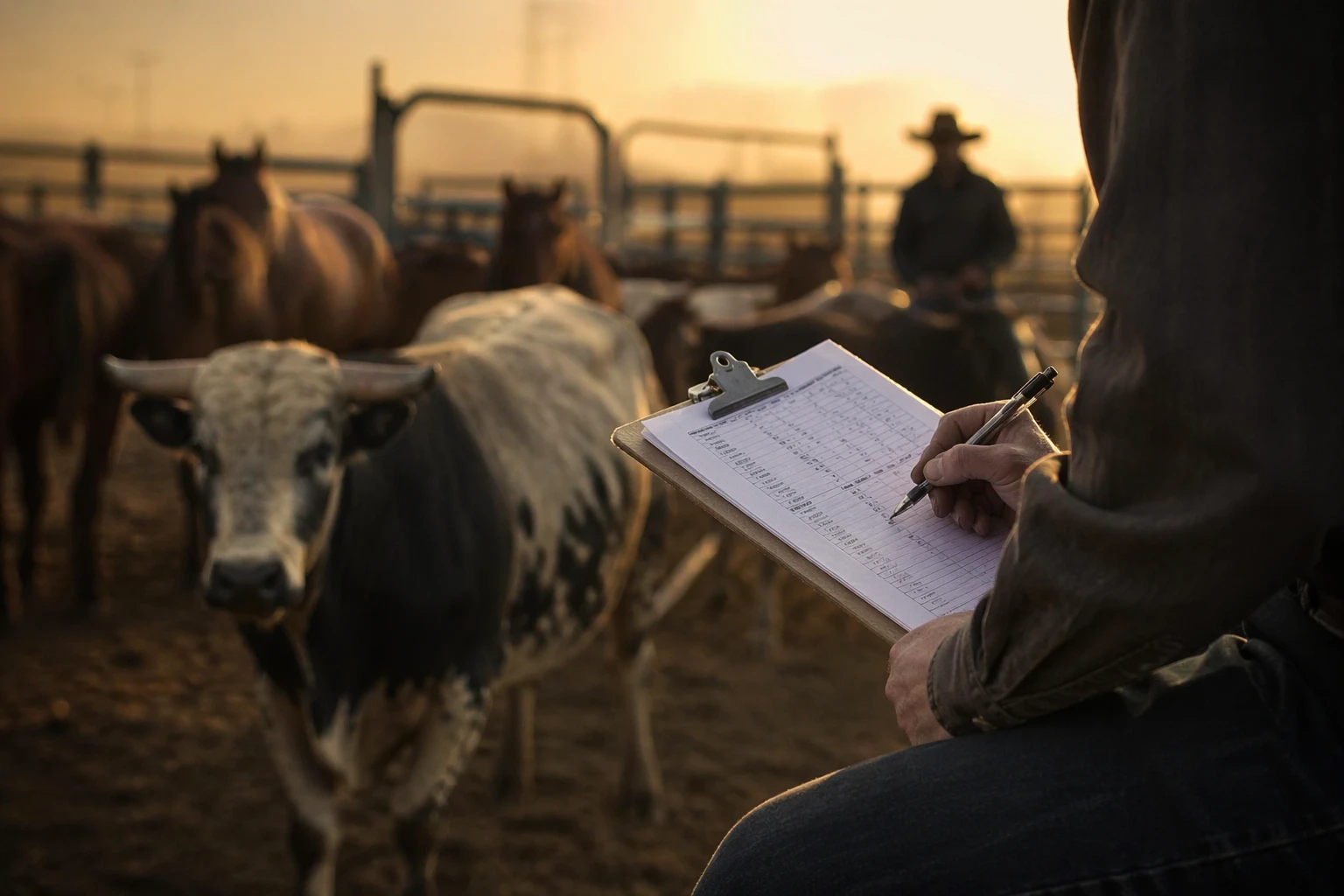
Rodeo looks like a rider’s sport at first glance but step closer and you’ll realize something critical: the animals are just as important as the athletes. In fact, if you’re asking how are rodeo animals selected, you’re really asking how the entire sport maintains its integrity, excitement, and fairness. Because without the right animals, there is no rodeo. Period. This isn’t random. It’s not guesswork either. The selection process is deliberate, data-driven, and built on years sometimes generations of careful decisions. From breeding pens to bright arena lights, every animal you see has earned its place. There’s intention behind every movement, every buck, every run. Let’s break it down.
Understanding the Role of Rodeo Animals
Not all rodeo animals are chosen for the same reasons. Different events demand different traits, and selection reflects that.
Two main categories exist:
- Roughstock animals (bulls, saddle broncs, bareback horses)
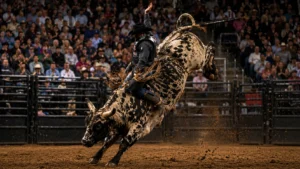
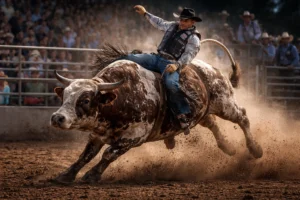
- Selected for power, explosiveness, and unpredictability
- Timed-event animals (steers, calves)
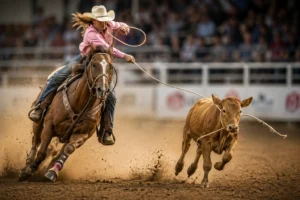
- Selected for consistency, speed, and controlled behavior
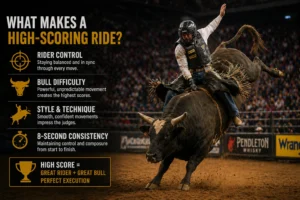
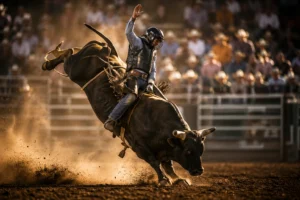
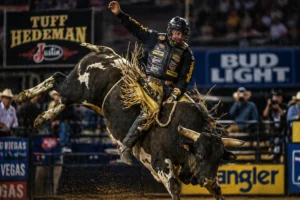
Here’s the key: rodeo animals aren’t just participants. They’re performers. Their movement, energy, and behavior directly affect scores, outcomes, and crowd engagement. In roughstock events, animals contribute up to half the score. That alone should tell you why how are rodeo animals selected is such a big deal. A rider can be perfect, but without a strong-performing animal, the score simply won’t reflect it.
Who Selects Rodeo Animals?
Selection doesn’t fall on one person. It’s a layered system involving professionals who specialize in livestock performance.
Stock Contractors: The Real Decision-Makers
Stock contractors are the backbone of rodeo livestock.
They:
- Breed and raise animals
- Track performance data
- Supply animals to rodeos
Think of them as talent developers. They invest years into identifying and refining animals that can perform under pressure. Their reputation often depends on the quality of animals they bring into the arena.
Rodeo Associations and Event Directors
At higher levels, organizations step in to refine selection further.
They:
- Review animal performance records
- Ensure fair competition
- Approve animals for major events
This combination contractor expertise plus organizational oversight is what makes the system reliable and consistent across events.
The Breeding Process: Where It All Begins
If you want to truly understand how are rodeo animals selected, you have to start before the animal is even born. Breeding is strategic. Contractors don’t just pair animals randomly. They match bloodlines based on proven traits:
- Strength
- Agility
- Bucking instinct
- Endurance
A strong bucking bull often comes from a lineage of strong buckers. The same goes for broncs. Over time, these traits become more predictable and refined.
Simple breakdown:
| Trait | Why It Matters |
| Power | Drives performance intensity |
| Agility | Creates unpredictable movement |
| Temperament | Ensures safe handling and consistency |
| Durability | Allows repeated competition |
Breeding is long-term thinking. One good pairing can influence an entire herd for years. This is where elite rodeo programs separate themselves from average ones.
Early Evaluation: Spotting Potential
Once animals are born, the evaluation process starts early. And it’s hands-on. Young animals are observed for natural tendencies:
- Do they buck instinctively?
- Do they move with energy or hesitation?
- Are they physically balanced and strong?
Contractors don’t rely on one test. They watch patterns over time.
What they look for:
- Natural athleticism
- Coordination and balance
- Reaction to pressure or movement
- Overall health and structure
At this stage, evaluators often rely on observational frameworks similar to behavioral science principles like operant condition not to train the animals in a strict sense, but to understand how they respond to stimuli and environments over time. Not every animal makes the cut. In fact, most don’t. Only those showing clear potential move forward into development programs.
Training and Development
Here’s where things get interesting. Rodeo animals are not “trained” in the traditional sense. They’re developed. There’s a difference. The goal isn’t to force behavior it’s to refine natural ability while building comfort in the rodeo environment.
Key Development Steps:
- Gradual exposure to chutes and arenas
- Short practice runs to build familiarity
- Conditioning for strength and stamina
- Controlled introductions to noise and crowds
Animals learn the environment. They get used to noise, movement, and routine. Over time, this reduces stress and improves performance. Consistency matters. A top rodeo animal performs reliably, not just once but every time. That reliability is what separates contenders from elite performers.
Performance-Based Selection
This is where theory meets reality. Even with great breeding and early promise, an animal must prove itself in real competition.
Performance Tracking
Animals are evaluated across multiple rodeos.
Metrics include:
- Bucking intensity
- Movement variation
- Rider difficulty
- Consistency
- Recovery time between performances
Contractors and event organizers track this closely. One strong performance isn’t enough. Repetition is everything.
What Experts Look For:
- Explosiveness: Does the animal start strong out of the chute?
- Unpredictability: Is the movement hard to anticipate?
- Control: Does the animal perform without becoming dangerous?
- Consistency: Can it repeat high-level performance?
This stage answers the question clearly: how are rodeo animals selected? Through proven, repeatable performance not hype or appearance.
Selection for Major Rodeos
Getting into a local rodeo is one thing. Making it to a major event is another level entirely.
Step-by-Step Process
- Nomination by Stock Contractors
Contractors submit their best animals. - Data Review
Committees analyze performance history and scoring impact. - Feedback Collection
Riders often provide insight on difficulty and quality. - Final Selection
Only top-tier animals are chosen.
It’s competitive. Extremely.
Only animals that consistently challenge top riders and elevate the event make the cut.
Key Traits of Elite Rodeo Animals
At the highest level, selection becomes very specific.
Top animals share common traits:
- Explosive power
- Strong, balanced movement
- Unpredictable patterns
- Mental composure under pressure
- Physical durability
- Quick recovery after each run
These animals aren’t just good. They’re reliable performers in high-stakes environments where every second and every movement matters.
Animal Welfare and Selection Standards
Let’s address something important. Animal welfare isn’t an afterthought it’s built into the selection process. Healthy animals perform better. That alone drives better care. But beyond performance, there are strict standards in place to protect livestock.
Welfare Considerations:
- Regular veterinary checks
- Proper nutrition and conditioning
- Limits on frequency of competition
- Monitoring for stress or injury
- Safe transport between events
Animals that don’t meet health standards are not selected. It’s that simple. A strong system protects both the sport and the animals and ensures longevity in their careers.
Matching Animals with Riders
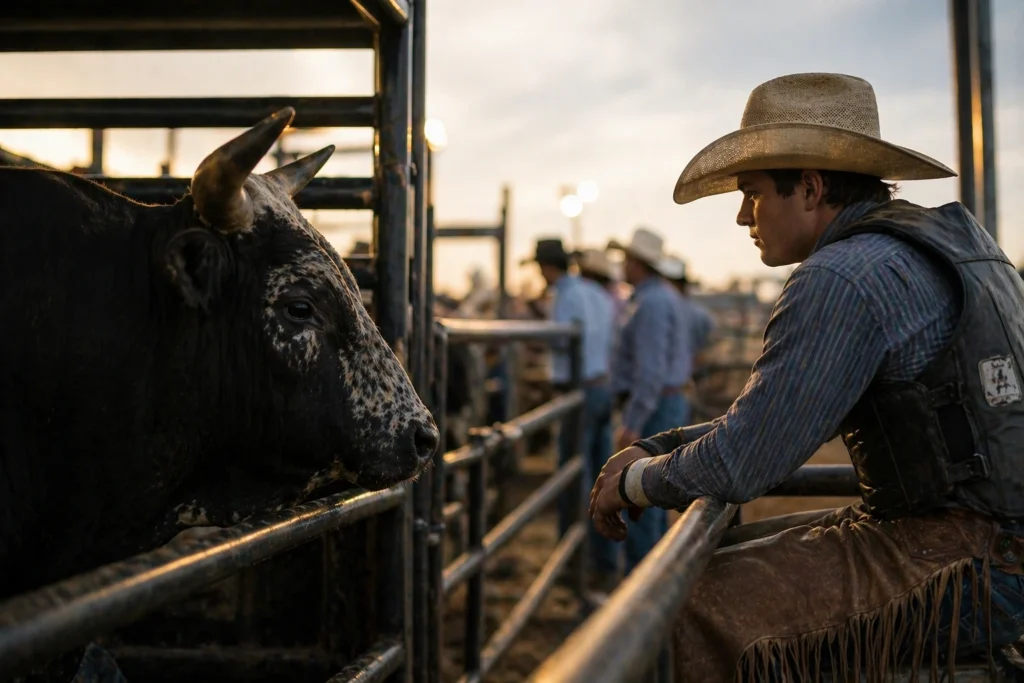
Selection doesn’t end once animals are chosen. Pairing matters too.
Why Matching Is Important
- Ensures fairness
- Balances competition difficulty
- Maintains safety
- Creates exciting matchups for spectators
Some rodeos use random draws. Others use structured systems based on rankings or performance. The goal is always the same: create a level playing field while maintaining unpredictability.
Differences Across Rodeo Events
Not all selection criteria are equal. Each event has unique demands.
Roughstock Events
Animals are chosen for:
- Difficulty
- Power
- Movement complexity
These animals challenge riders directly, which is why topics like bull riding scoring explained often highlight just how much influence the animal has on the final result.
Timed Events
Animals are selected for:
- Predictability
- Consistent speed
- Controlled behavior
These events focus more on rider precision and timing rather than resistance from the animal.
The Journey to Elite Status
Becoming a top rodeo animal doesn’t happen overnight. It’s a process. A long one.
Animals:
- Start with breeding potential
- Prove themselves in smaller events
- Build a performance record
- Earn selection for larger rodeos
- Compete consistently at high levels
Only a small percentage reach elite status. Those that do often become well-known within the rodeo community. And once they reach that level? They’re in demand. Contractors rely on them. Riders respect them. Fans remember them.
Common Misconceptions
There’s a lot of confusion around how are rodeo animals selected. Let’s clear a few things up.
Myth vs Reality
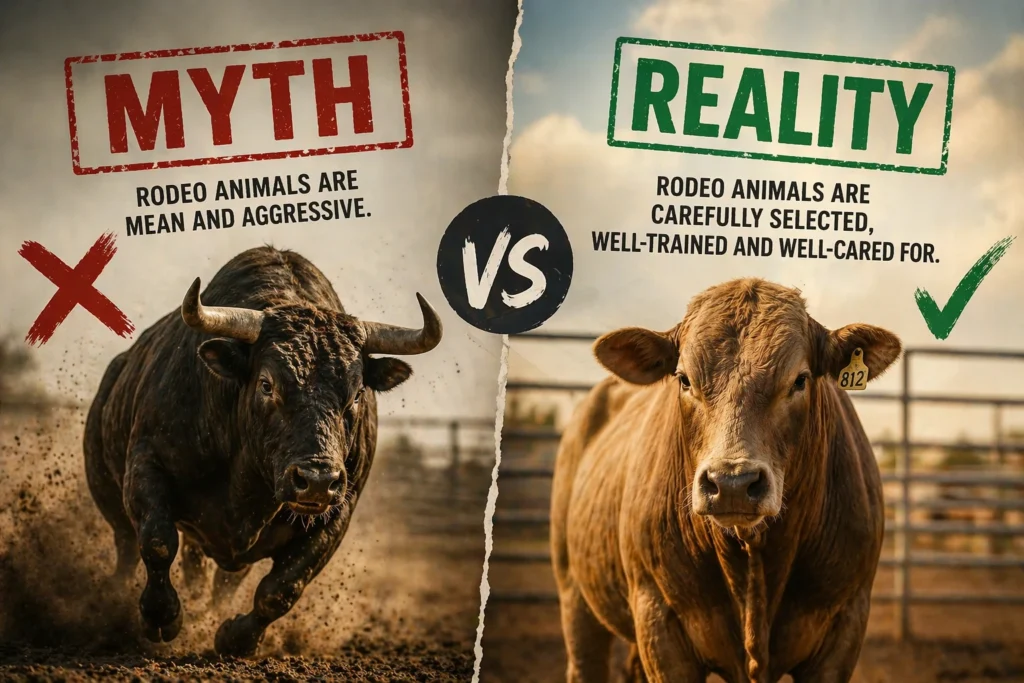
- Myth: Animals are randomly chosen
Reality: Selection is based on years of data and evaluation - Myth: All rodeo animals are aggressive
Reality: Selection focuses on controlled, natural behavior - Myth: Any strong animal can compete
Reality: Only those with proven performance make it - Myth: Animals are forced into performance
Reality: Selection is based on natural instincts and ability
Understanding this changes how you see the sport and build respect for the process behind it.
Why Selection Matters
Everything comes back to this.
Selection determines:
- The quality of competition
- The safety of riders
- The consistency of events
- The experience for fans
Poor selection leads to uneven performances. Strong selection creates memorable moments that define rodeo. That’s why the question how are rodeo animals selected isn’t just technical it’s foundational to the entire industry.
Practical Takeaways
If you’re involved in rodeo or planning to be here’s what matters most:
Focus on long-term development
- Great animals aren’t rushed
Track performance consistently
- Data beats assumptions
Prioritize health and care
- Strong animals perform longer
Invest in breeding programs
- Genetics play a major role
Learn from experienced contractors
- Their insight shortens your learning curve
These aren’t shortcuts. They’re proven strategies.
Final Thoughts: The Balance of Skill and Strategy
Rodeo animal selection sits at the intersection of science, experience, and instinct. It starts with breeding. It grows through evaluation. It proves itself in performance. And only the best makes it to the arena. So, the next time you watch a ride, look beyond the rider. Watch the animal. Notice the movement, the power, the timing. That performance didn’t happen by accident it was built over time through careful selection. And now you know exactly how are rodeo animals selected not by chance, but by design.
FAQs
How are rodeo animals selected for events?
Rodeo animals are selected based on breeding, performance history, physical traits, and consistency across multiple competitions.
What qualities make a good rodeo animal?
Top animals show strength, agility, unpredictability, and the ability to perform consistently under pressure.
Are rodeo animals trained to behave a certain way?
They are developed rather than strictly trained, with focus on refining natural instincts and building familiarity with the arena.
Who is responsible for selecting rodeo animals?
Stock contractors primarily select and supply animals, while rodeo associations and event directors oversee final approvals.
Do rodeo animals compete in multiple events?
Yes, many animals compete repeatedly, and their performance is tracked over time to determine their ranking and eligibility.
Are all rodeo animals aggressive?
No, they are selected for controlled, natural behavior rather than aggression, ensuring both performance and safety.
How important is breeding in rodeo animal selection?
Breeding is critical, as strong bloodlines increase the likelihood of producing high-performing animals.
How do animals qualify for major rodeos?
They must consistently perform well, be nominated by contractors, and pass evaluation by selection committees.
Are rodeo animals treated humanely?
Yes, welfare standards include veterinary care, proper nutrition, and limits on performance frequency.
How does animal selection affect scoring in rodeo?
In events like bull riding, the animal’s performance directly impacts the score, making selection a key factor in competition outcomes.