Eight seconds. That’s all it takes to turn chaos into a score. And if you’ve ever wondered how is bull riding scored, you’re not alone. It looks simple from the outside—hang on and hope for the best—but scoring goes far deeper than survival. Judges aren’t just watching if a rider stays on. They’re analyzing movement, control, rhythm, and the raw power of the bull beneath them.
Let’s break it all down. No fluff. Just the real mechanics behind one of the most intense scoring systems in sports.
What Is Bull Riding? A Quick Overview
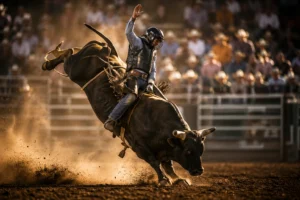
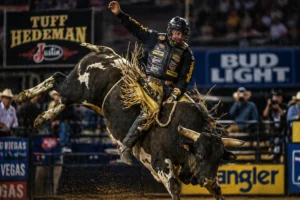
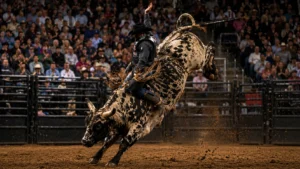
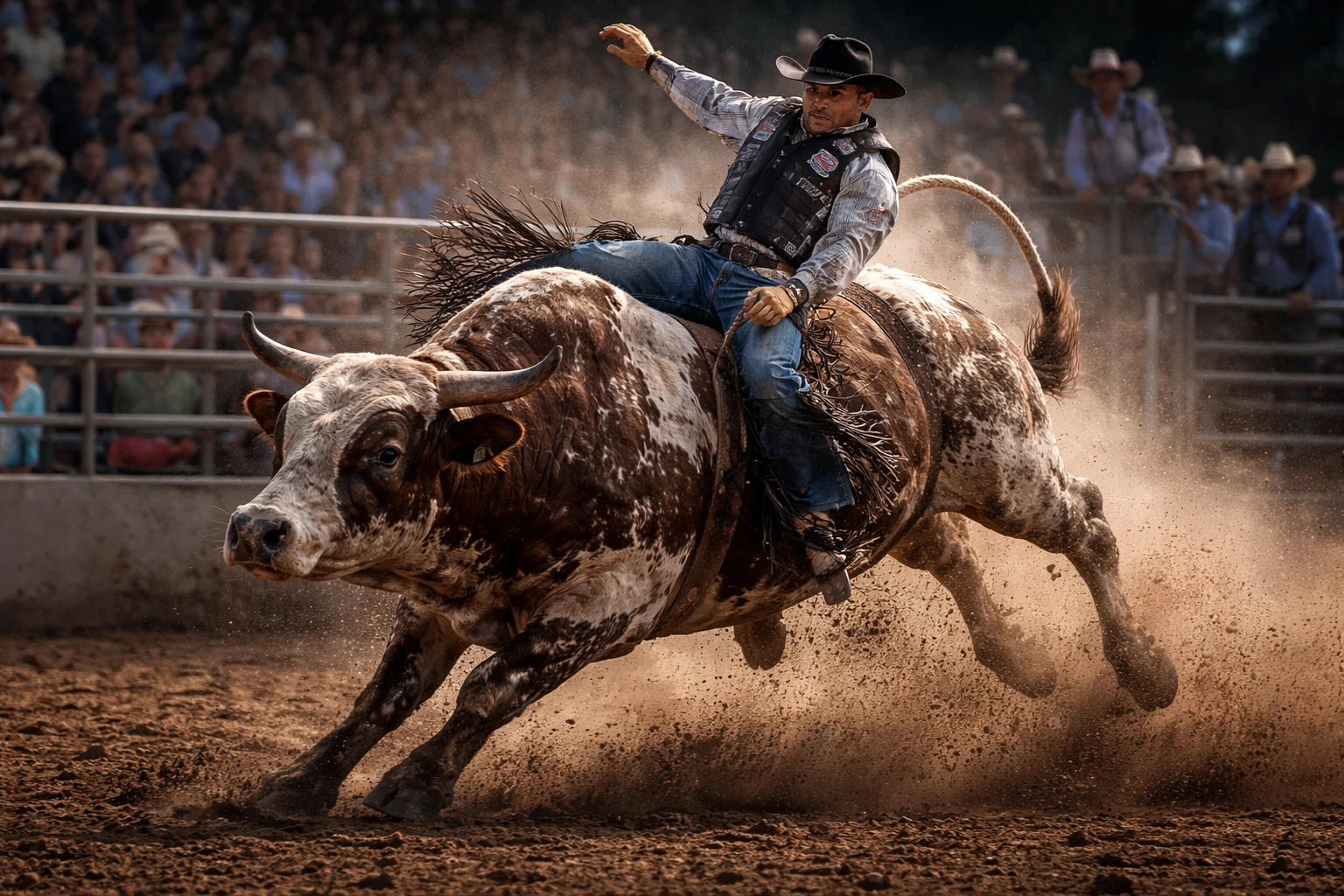
Bull riding sits at the heart of rodeo. It’s loud, dangerous, and brutally fast. The goal? Stay on a bucking bull for eight seconds using only one hand.
Sounds straightforward. It isn’t.
The rider grips a rope wrapped around the bull. One hand locked in. The other stays free—strictly for balance. If that free hand touches the bull, the ride is over. No score. Done.
And here’s where it gets interesting. Even if the rider lasts the full eight seconds, the score isn’t guaranteed to be high. Because how is bull riding scored depends on more than just time—it’s about performance.
The Basic Scoring System in Bull Riding
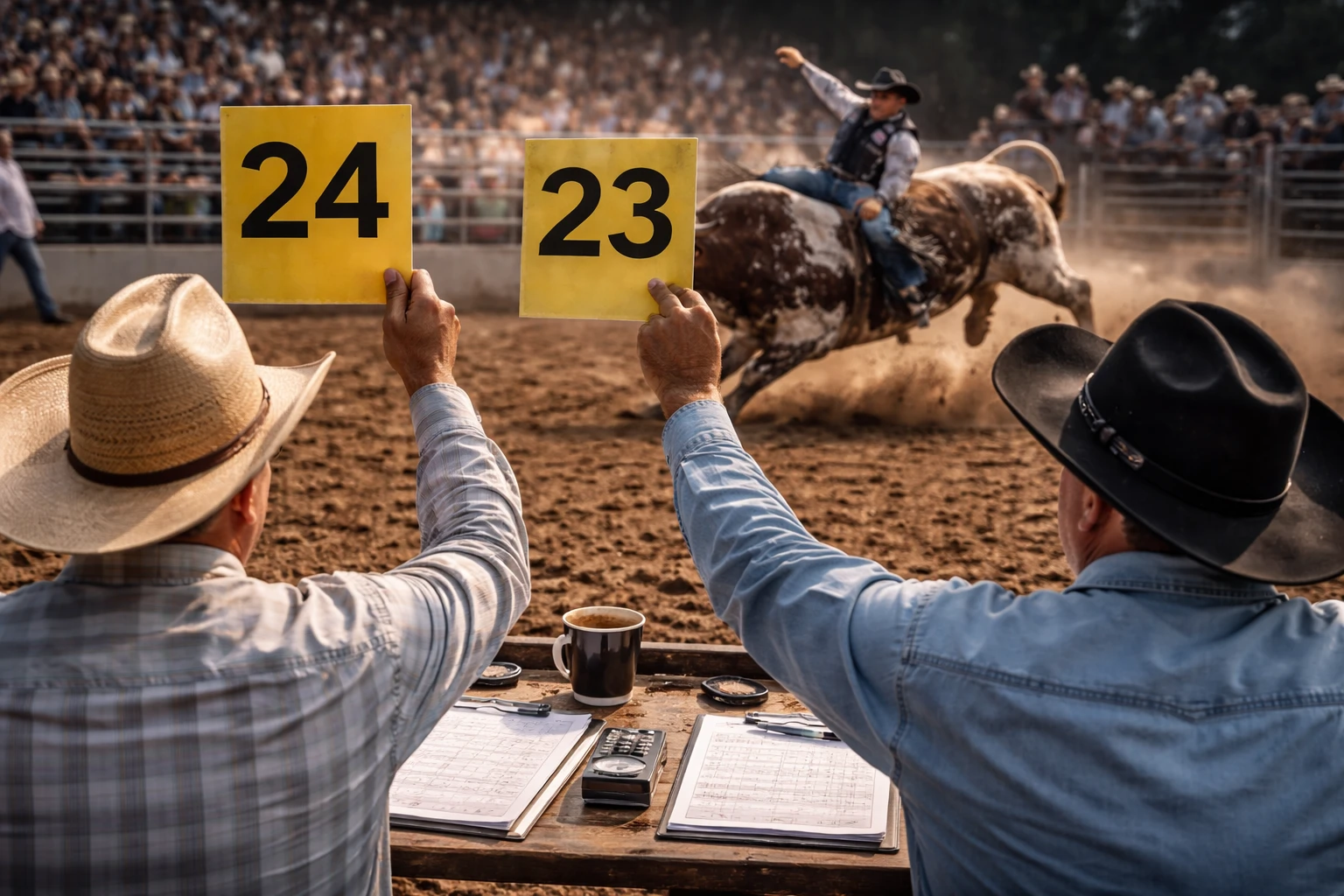
At its core, bull riding uses a 100-point scoring system. Clean. Balanced. Brutal.
Here’s how it breaks down:
| Component | Maximum Points |
| Rider | 50 |
| Bull | 50 |
| Total | 100 |
Two judges typically score the ride. Each judge assigns:
- Up to 25 points for the rider
- Up to 25 points for the bull
Then those scores are combined.
So if one judge gives:
- Rider: 23
- Bull: 22
And the second judge gives:
- Rider: 24
- Bull: 23
Final score = 92.
That’s a big ride.
Understanding how is bull riding scored starts with this split. It’s not just man versus beast—it’s a shared performance.
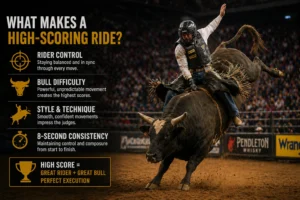
How Judges Score the Rider (0–50 Points)
Let’s get specific. What are judges actually looking for?
Rider Technique and Control
Control is everything. A rider who looks calm under pressure scores higher than one barely hanging on.
Judges evaluate:
- Body alignment over the bull’s shoulders
- Hip movement syncing with the bull
- Stability during spins and jumps
If the rider is constantly correcting, slipping, or losing rhythm, points drop fast.
Style and Form
Style matters more than you think.
A high-scoring rider:
- Moves fluidly
- Keeps their free arm controlled—not flailing wildly
- Looks confident, not desperate
It’s not just about staying on. It’s about making it look intentional.
Handling Difficulty
Here’s where great riders separate themselves.
Bulls twist. Kick. Spin. Reverse direction mid-air. The rider’s job is to respond instantly.
Judges reward:
- Recovery after a near fall
- Staying centered during violent movements
- Matching the bull’s tempo
If you’re asking how is bull riding scored, this is a big piece of the answer: riders get points for how well they handle chaos.
How Judges Score the Bull (0–50 Points)
Yes, the bull gets scored too. And it’s just as important.
Strength and Explosion
The moment the gate opens, judges are watching.
A strong bull:
- Launches out of the chute
- Kicks high and hard
- Maintains power throughout the ride
Lazy bulls? Low scores.
Movement and Difficulty
The best bulls are unpredictable.
Judges look for:
- Sharp spins
- Direction changes
- Speed and consistency
A bull that challenges the rider earns higher marks.
Overall Impact
Some bulls are known for their difficulty. Reputation can play a subtle role, but performance on that specific ride matters most.
A great bull makes a great score possible.
Why Both Rider and Bull Matter Equally
Here’s the truth most beginners miss.
A perfect rider on an easy bull won’t score high.
A weak rider on a powerful bull won’t either.
Both need to deliver.
Think of it like a dance. A violent, unpredictable dance—but still a partnership.
That’s why understanding how is bull riding scored means recognizing the balance. It’s not man versus bull. It’s man with bull, judged together.
The Role of Judges in Bull Riding Scoring
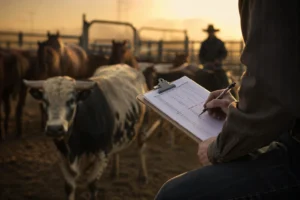
Judges have seconds to evaluate everything. No slow motion. No replays.
They focus on:
- Control
- Timing
- Difficulty
- Consistency
And yes, there’s subjectivity. Two judges might see a ride slightly differently. That’s why scores are combined—to balance perspectives.
Experience matters here. A seasoned judge can spot subtle details that others miss.
What Happens During the 8-Second Ride
Let’s walk through it.
The Gate Opens
This is critical. The bull’s first jump sets the tone.
A strong, explosive start boosts the bull’s score immediately.
Mid-Ride Chaos
This is where riders earn their points.
They must:
- Stay centered
- Match rhythm
- Adjust instantly
This is where most rides are lost.
Final Seconds
Fatigue kicks in. The bull may ramp up intensity.
Riders who finish strong—still in control—get rewarded.
The Buzzer
Eight seconds hit. The ride counts.
But scoring doesn’t stop. Judges are still evaluating everything that just happened.
Common Reasons for Low Scores
Not every completed ride is impressive.
Here’s what drags scores down:
- Rider looks off-balance
- Free arm is uncontrolled
- Bull lacks energy or movement
- Rider appears defensive
A rider might stay on for eight seconds and still score in the 60s. That’s the reality of how is bull riding scored.
What Causes a No Score (Disqualification)
Sometimes, there’s no score at all.
Instant disqualifiers include:
- Touching the bull with the free hand
- Failing to reach 8 seconds
- Losing grip prematurely
- Rule violations with equipment
No matter how good the ride looks—if a rule is broken, it doesn’t count.
How Scores Are Calculated and Announced
Let’s look at a realistic example:
| Judge | Rider Score | Bull Score | Total |
| 1 | 24 | 23 | 47 |
| 2 | 23 | 24 | 47 |
| Final | — | — | 94 |
That’s an elite score.
Most winning rides fall between:
- 85–90 in competitive events
- 90+ for standout performances
What Is Considered a “Good” Bull Riding Score?
Here’s a quick benchmark:
| Score Range | Meaning |
| 60–69 | Weak ride |
| 70–79 | Average |
| 80–84 | Solid |
| 85–89 | Competitive |
| 90+ | Elite |
Perfect 100? Almost never happens.
Because both rider and bull would need to perform flawlessly. That’s rare.
Famous High Scores in Bull Riding History
Some rides become legends.
They stand out because:
- The bull was exceptionally difficult
- The rider maintained perfect control
- The timing and rhythm were flawless
These rides push the limits of what’s possible—and redefine expectations.
Differences in Scoring Across Rodeo Organizations
Most professional rodeos follow the same 100-point system. But small differences exist.
Variations may include:
- Judge interpretation
- Event standards
- Bull selection quality
Still, the core answer to how is bull riding scored remains consistent everywhere.
Tips to Improve Your Bull Riding Score
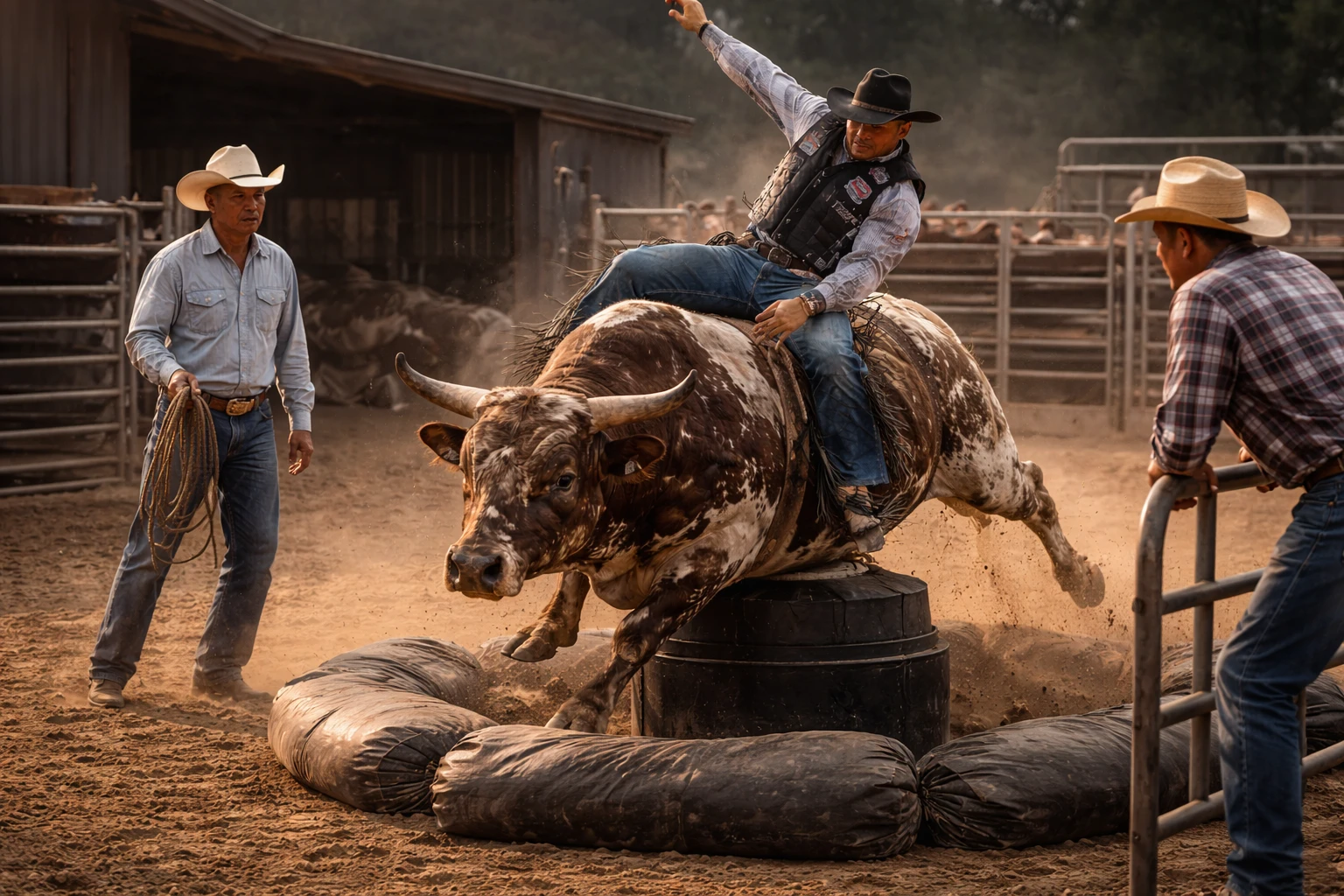
Want higher scores? Focus on what judges actually reward.
Master Your Position
- Keep your weight forward
- Stay centered over the shoulders
- Avoid leaning too far back
Train Your Timing
Bull riding is rhythm.
Practice:
- Reaction speed
- Balance drills
- Core strength
Study Bulls
Every bull is different.
Watch:
- Movement patterns
- Spin tendencies
- Exit behavior
Preparation gives you an edge.
Stay Mentally Sharp
Confidence shows.
A rider who commits fully scores higher than one holding back.
How Bull Riding Scoring Compares to Other Rodeo Events
Bull riding is part of a category called roughstock events.
Similar events include:
- Saddle bronc riding
- Bareback riding
All use a similar scoring system:
- Rider performance
- Animal performance
But bull riding is considered the toughest. The bulls are heavier, stronger, and more unpredictable.
Frequently Asked Questions About How Is Bull Riding Scored
1. How is bull riding scored exactly?
Bull riding is scored out of 100 points, with 50 points for the rider and 50 for the bull, judged on performance and difficulty.
2. Do you get a score if you fall off early?
No, you must last the full 8 seconds to receive a score.
3. Why does the bull get scored too?
Because the bull’s performance determines the difficulty of the ride, which impacts the overall score.
4. What is a perfect score in bull riding?
A perfect score is 100, but it’s extremely rare and almost never achieved.
5. What is considered a good score?
Scores above 85 are considered strong, while anything over 90 is elite.
6. Can judges disagree on scores?
Yes, which is why multiple judges score each ride to balance subjectivity.
7. Does style really matter in scoring?
Absolutely. Riders who show control and fluid movement score higher.
8. What causes a no score?
Touching the bull with the free hand or failing to last 8 seconds results in no score.
9. Are all bulls scored the same way?
Yes, bulls are judged on strength, movement, and difficulty regardless of the event.
10. How is bull riding scored in amateur rodeos?
The same 100-point system is used, though judging may be less consistent than professional events.
Conclusion
So, how is bull riding scored?
It’s not just about hanging on. It’s about control. Style. Precision. And the raw, unpredictable power of the bull.
The rider brings skill. The bull brings chaos. Judges bring the final word.
And when all three align? That’s when you see something unforgettable.
Eight seconds. One score. Everything on the line.