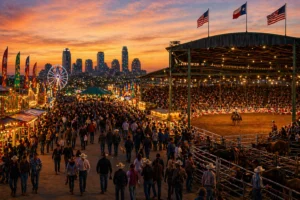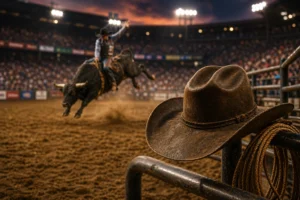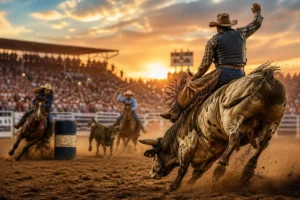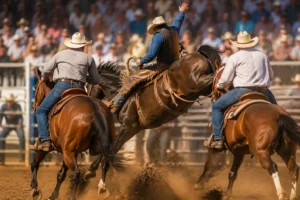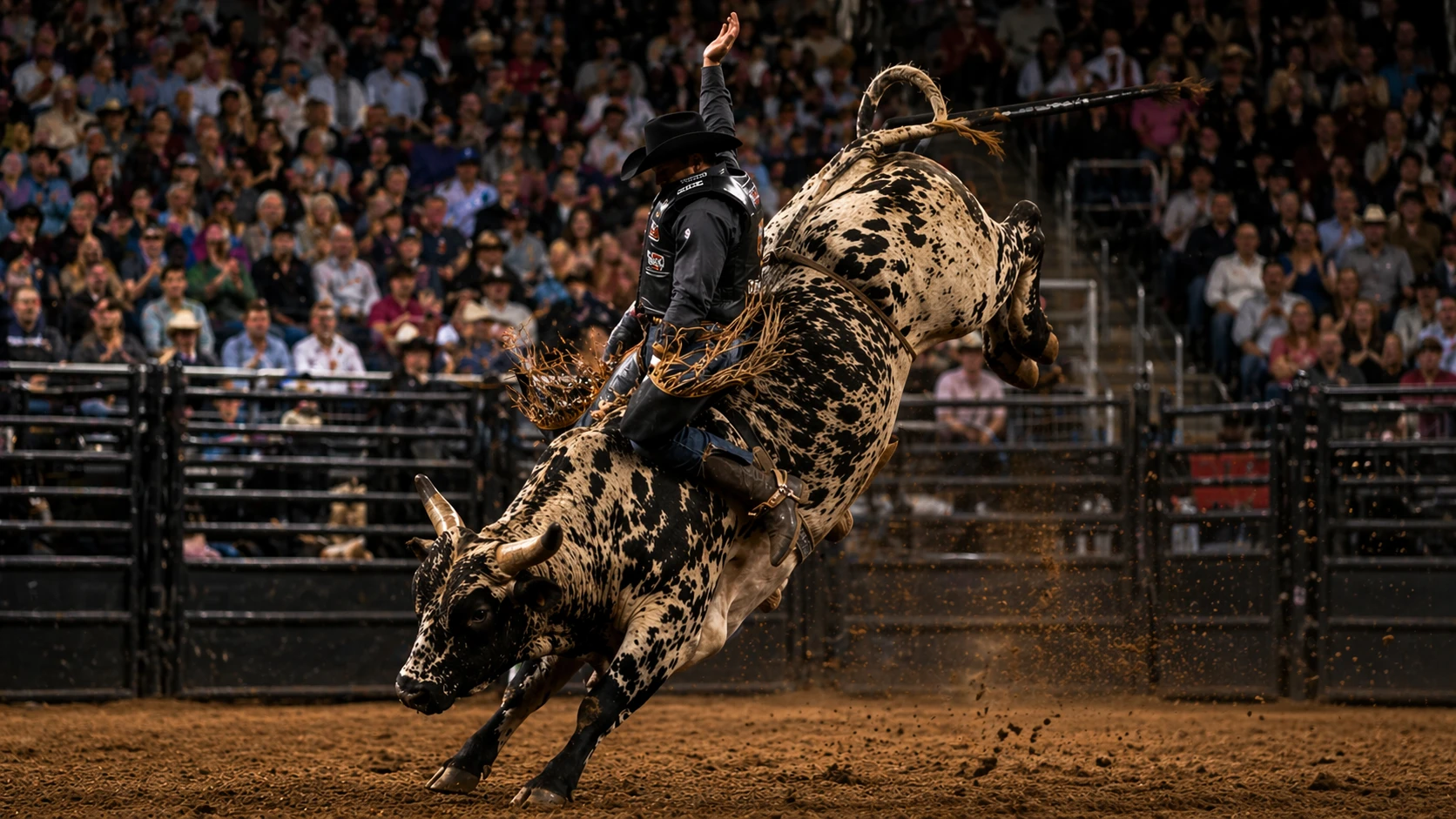
The first thing people ask before buying a ticket is simple: how long does a rodeo last? Fair question. You’re planning your night, your ride, maybe even your outfit and you want to know what you’re signing up for. Here’s the straight answer: most rodeos run between 2 and 3 hours. But that’s just the surface. The real story? It depends on the type of rodeo, the number of competitors, and how the event is structured. Stick with me. I’ll break it all down so you know exactly what to expect down to the minute.
The Short Answer How Long Does a Rodeo Last?
Let’s get right to it.
- Typical rodeo duration: 2 to 3 hours
- Smaller local rodeos: 1.5 to 2 hours
- Large professional rodeos: 2.5 to 3+ hours
- Rodeo + concert events: 3 to 5 hours total
So, if you’re still wondering how long does a rodeo last, plan for a solid evening. Not rushed. Not dragging. Just enough time to keep the energy high without losing momentum. And here’s something people don’t expect the action itself is fast. Really fast. What stretches the time isn’t the rides. It’s the number of competitors, transitions, and entertainment in between.
What Happens During a Rodeo Performance?
A rodeo isn’t one long event. It’s a sequence. Think of it like a live sports show with built-in rhythm.
Opening Ceremonies
This is where the tone is set.
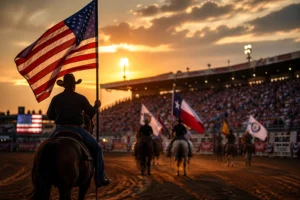
- Grand entry with riders and flags
- National anthem
- Announcer introductions
It usually takes about 10–15 minutes. Short, sharp, and full of energy.
Main Rodeo Events
Now the real action begins. These fall into two categories:
Roughstock Events
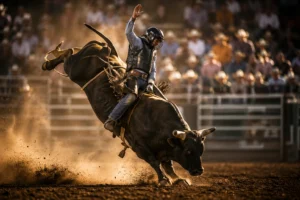
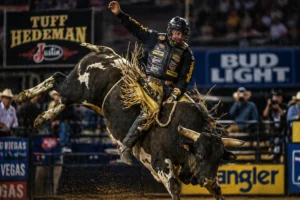
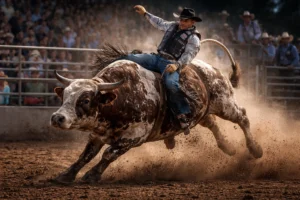
- Bull riding
- Saddle bronc riding
- Bareback riding
Timed Events
- Barrel racing
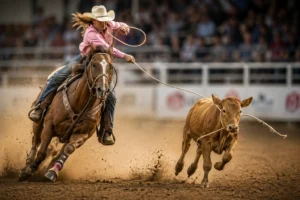
- Tie-down roping
- Steer wrestling
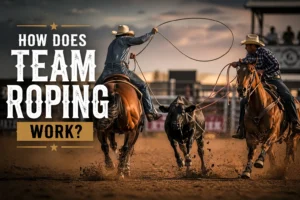
- Team roping
Each ride or run may only last seconds. But multiply that by dozens of competitors, and suddenly you’ve got a full program.
Entertainment Segments
Here’s where the pacing breathes.
- Rodeo clowns keep the crowd engaged
- Quick transitions between events
- Crowd interactions and announcements
These moments matter. They keep the energy alive while giving competitors time to reset.
Breakdown of a Typical Rodeo Timeline
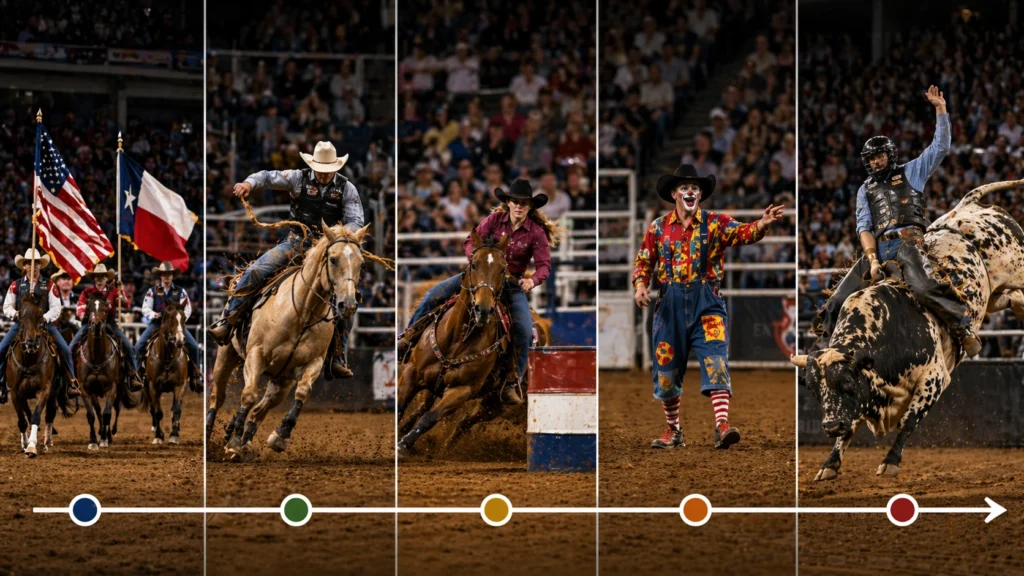
Let’s make this practical. Here’s what a standard rodeo might look like:
| Time | Activity |
| 0:00 – 0:15 | Opening ceremonies |
| 0:15 – 1:30 | Main events (roping, bronc riding, etc.) |
| 1:30 – 2:00 | Entertainment + continued events |
| 2:00 – 2:30 | Bull riding finale |
Notice something? The biggest crowd-puller bull riding is usually saved for last. It’s the grand finale. And yes, it’s worth staying for. But timelines can shift slightly depending on participation. Some rodeos move faster when competitors are efficient. Others stretch out if there are more entries or re-rides. That’s part of the live experience no two nights are exactly the same.
Factors That Affect How Long a Rodeo Lasts
So why does one rodeo wrap up in two hours while another stretches longer? Several factors come into play.
Number of Events
More events = more time. Simple math. A rodeo featuring all major disciplines will naturally run longer than a limited lineup.
Number of Competitors
A rodeo with 20 riders moves quickly. One with 60? Expect a longer show. Each additional rider adds time, even if their run is only seconds long.
Type of Rodeo
- Local rodeos: quicker pacing
- Professional rodeos: more structured, slightly longer
- Festival rodeos: extended schedules
Delays and Re-rides
Things don’t always go perfectly.
- Equipment issues
- Animal re-runs
- Weather delays
These can add unexpected time, though organizers work hard to keep things moving.
Small vs Large Rodeos: What’s the Difference?
Not all rodeos feel the same. Size changes everything.
Small Local Rodeos
- Duration: 1.5 to 2 hours
- Fewer competitors
- Faster transitions
These are great if you want a quick, high-energy experience.
Professional Rodeos
- Duration: 2 to 3 hours
- More structured
- Higher-level competition
You’ll see tighter organization and a fuller lineup of events. If you’re researching deeper topics like the difference between PRCA and PBR, you’ll notice that organizational formats can also influence how events are structured and timed.
Major Rodeo Events
This is where it gets interesting. Large rodeos like those featured on rodeotexas.org often span multiple days. But here’s the key: Each individual performance still runs about 2 to 3 hours. So even if the event lasts a week, your nightly commitment stays manageable.
Multi-Day Rodeos vs Single-Day Rodeos
This confuses a lot of people. A rodeo can last one day or ten. But that doesn’t mean you’re sitting there for ten days straight.
Instead, it’s broken into stages:
- Qualifiers
- Semifinals
- Finals
Each stage has its own performance window. Each one usually follows the same 2–3-hour format. The advantage? You can attend multiple days without feeling overwhelmed. Each performance feels like a complete experience on its own.
Rodeo + Concert What Changes?
Some rodeos go bigger. Much bigger.
They add concerts.
Here’s how that affects timing:
- Rodeo: 2 to 3 hours
- Concert: 60 to 90 minutes
- Total: up to 4–5 hours
So, if you’re attending one of these events, the answer to how long does a rodeo last becomes a bit more layered. You’re not just attending a rodeo you’re attending an experience.
How Long Should You Plan to Stay?
Here’s where planning pays off.
Arrival Time
Arrive 60–90 minutes early.
Why?
- Parking takes time
- Lines build quickly
- You’ll want good seats
Total Time Commitment
Let’s break it down:
- Pre-event time: 1 hour
- Rodeo duration: 2–3 hours
- Optional extras: 1 hour
Total: 3 to 5 hours
That’s your realistic window.
Best Strategy
If you’re short on time, you can arrive later. But you’ll miss the build-up. And honestly? That’s part of the fun.
Do All Rodeo Events Take the Same Time?
Not even close.
Here’s a quick comparison:
| Event | Average Time |
| Bull riding | 8 seconds |
| Barrel racing | 15–20 seconds |
| Steer wrestling | 3–10 seconds |
| Team roping | 5–15 seconds |
Fast, right? But stack dozens of competitors together, and suddenly you’re watching hours of action. That’s why the question how long does a rodeo last can’t be answered by looking at a single event.
Interestingly, this kind of cumulative timing is similar to how systems operate in fields like nonlinear systems, where small individual actions combine to create much larger, complex outcomes over time.
Why Rodeos Feel Shorter Than They Are
Here’s the surprising part.
Even though a rodeo runs for hours, it rarely feels that long.
Why?
- Constant movement
- No long pauses
- High-energy atmosphere
- Crowd interaction
You’re always watching something. Always anticipating the next ride.
Before you know it, the final bull rider is in the chute.
Tips for First-Time Rodeo Visitors
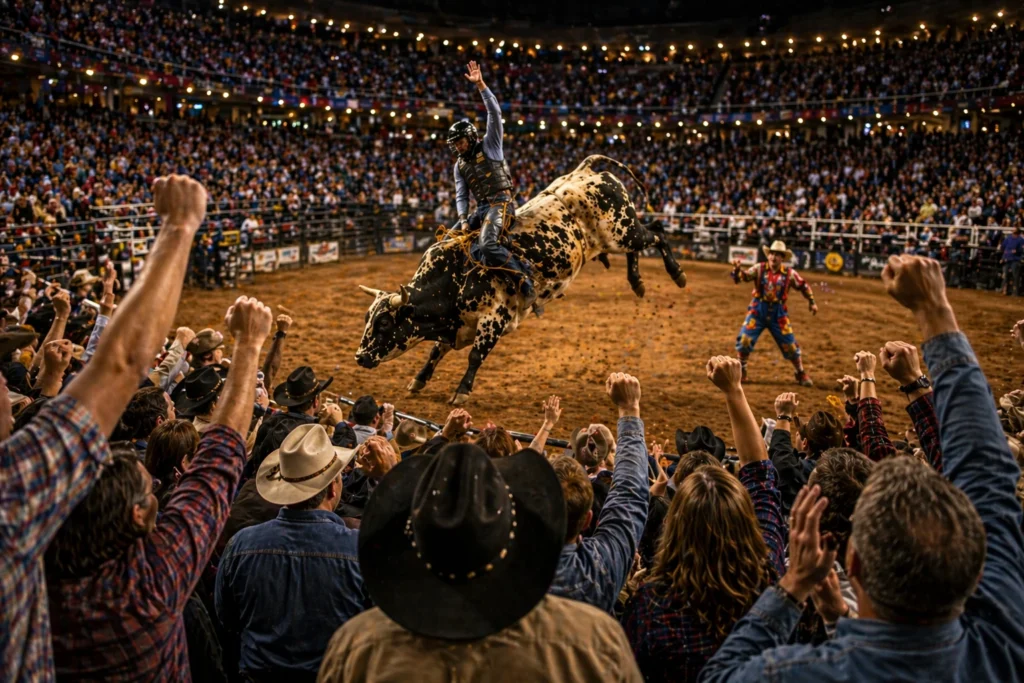
If this is your first rodeo (literally), here’s how to make the most of it.
1. Get There Early
You’ll avoid stress and soak in the full experience.
2. Dress Smart
Comfort matters. You’ll be sitting, standing, and maybe walking more than expected.
3. Plan Your Breaks
Use slower moments between events to grab food or drinks.
4. Stay for the Finale
Bull riding at the end? Don’t skip it. It’s the highlight.
5. Know Your Schedule
Check the event lineup ahead of time so you don’t miss key moments.
6. Bring Essentials
Depending on the venue, consider sunscreen, a hat, or even a light jacket for evening events.
Frequently Asked Questions About Rodeo Length
1. How long does a rodeo last for kids?
Most kids can comfortably enjoy a 2-hour rodeo, especially with breaks and entertainment.
2. Can you leave a rodeo early?
Yes, you can leave anytime, but staying until the finale is recommended.
3. What’s the longest part of a rodeo?
The cumulative events not individual rides make up most of the time.
4. Are rodeos longer at night?
Not necessarily. Night rodeos follow the same structure but may include concerts.
5. Do all rodeos last the same amount of time?
No. Duration varies based on size, number of events, and format.
6. How long is bull riding in a rodeo?
Each ride lasts 8 seconds, but multiple riders extend the segment.
7. Should I arrive right on time?
It’s better to arrive early to avoid missing the opening ceremony.
8. Are festival rodeos longer?
Yes, they often include additional entertainment and activities.
9. Do weather delays affect rodeo length?
They can. Rain or technical issues may extend the schedule.
10. How long does a rodeo last with a concert included?
Expect around 4 to 5 hours total.
Final Thoughts — Understanding Rodeo Timing
So, let’s bring it home. If you’re still asking how long does a rodeo last, the best answer is this: Most rodeos run between 2 and 3 hours but your full experience may last up to 5 hours depending on extras. It’s fast-paced but never rushed. Structured, yet unpredictable. And once you’re there, time moves differently. You’ll sit down expecting a long evening. You’ll stand up wondering where the time went. That’s the magic of a rodeo.
FAQs
How long does a rodeo last on average?
Most rodeos last between 2 and 3 hours, depending on the number of events and competitors.
Can a rodeo last all day?
Yes, multi-day or festival rodeos can run all day, but each performance is usually 2–3 hours.
What is the shortest rodeo duration?
Smaller local rodeos can wrap up in as little as 1.5 to 2 hours.
Why do rodeos take several hours if events are short?
Each event is quick, but multiple competitors and transitions add up to a full-length show.
Do rodeos start on time?
Most rodeos start as scheduled, but it’s best to arrive early to avoid missing the opening.
Is bull riding the longest part of a rodeo?
No, each bull ride is only 8 seconds, but it often appears longer due to multiple riders.
How long does a rodeo last with a concert included?
Rodeo events with concerts can last around 4 to 5 hours total.
Can I leave a rodeo before it ends?
Yes, you can leave anytime, but the final events are usually the most exciting.
Are kids able to sit through a full rodeo?
Yes, most kids can enjoy a 2-hour rodeo, especially with the entertainment and variety.
Do weather delays make rodeos longer?
Yes, weather or technical delays can extend the total duration of a rodeo.