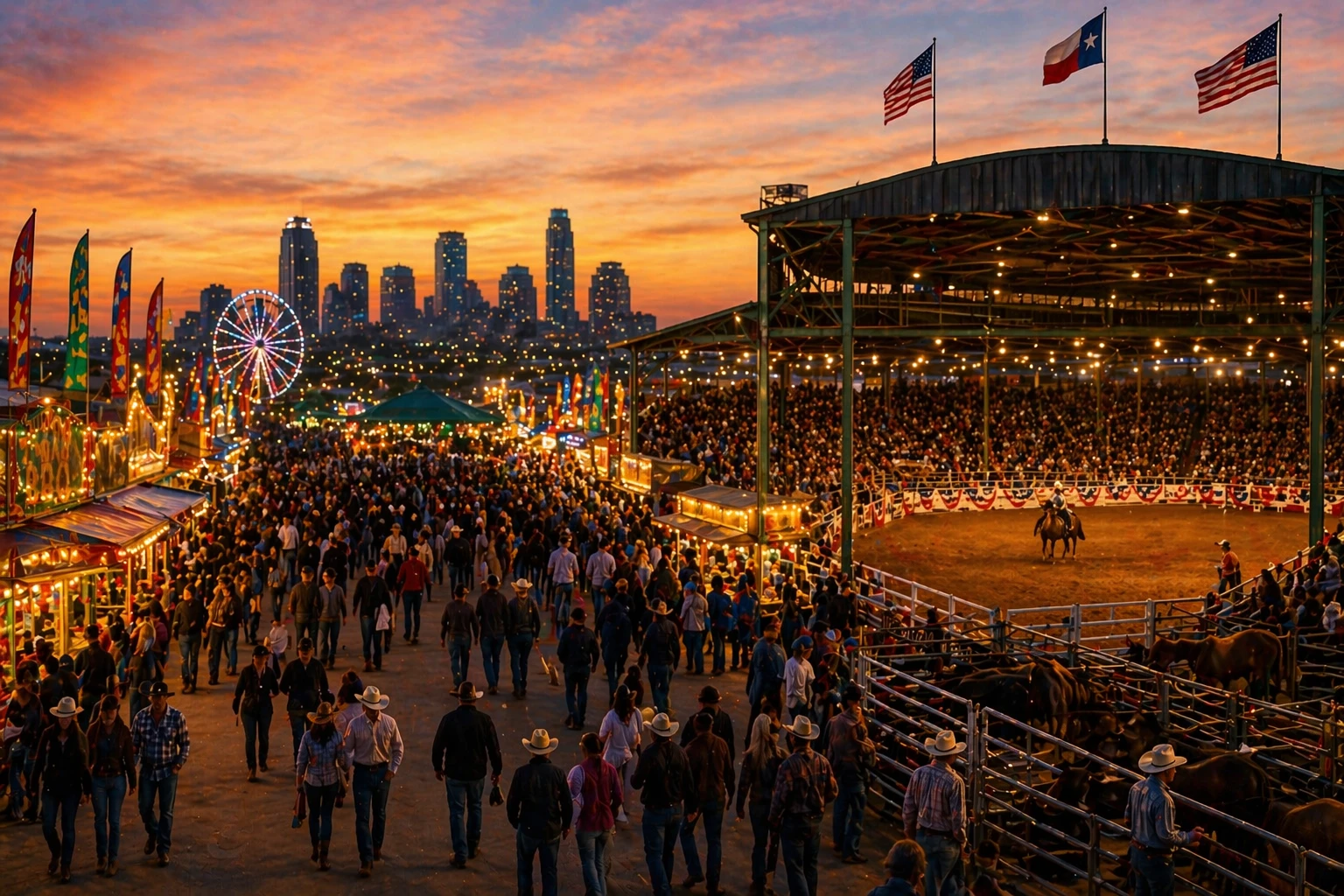
The history of rodeo in Texas isn’t just a timeline it’s a living story. One that starts in dust, sweat, and survival, then evolves into roaring arenas, bright lights, and global attention. It’s raw. It’s real. And it’s deeply tied to the identity of Texas itself. If you want to understand rodeo, you have to go beyond the spectacle. You have to step into the past into ranches, cattle trails, and long days under a relentless sun. That’s where this all began. Let’s break it down.
Early Origins: Spanish Roots and Ranching Foundations
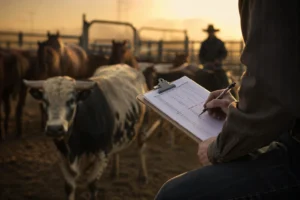
Long before rodeos had ticket booths and sponsors, there were vaqueros skilled horsemen brought by Spanish settlers in the 1500s. They introduced cattle ranching to what would become Texas. More importantly, they brought technique. Roping. Riding. Herding. These weren’t sports. They were survival tools. The vaquero influence runs deep. From saddle design to rope handling, many modern rodeo techniques still reflect those early methods. Even the word “rodeo” itself comes from the Spanish word rodear, meaning “to surround.” This is where the history of rodeo in Texas really starts not in an arena, but on open land where precision meant the difference between success and failure.
The Rise of the Texas Cowboy
Fast forward to the 1800s. Texas is booming with cattle. Ranches expand. Demand grows.
Enter the cowboy. After the American Civil War, cattle drives became a major part of Texas life. Cowboys moved massive herds across hundreds of miles, often facing unpredictable weather, dangerous terrain, and restless livestock.
Their daily tasks? Tough. Repetitive. Skilled.
- Breaking horses
- Roping stray cattle
- Branding and sorting herds
- Riding for hours sometimes days
These weren’t performances. They were work. But something interesting started to happen. Cowboys began competing. Not formally. Not professionally. Just for pride. Who could rope faster? Ride longer? Control a wild horse? That competitive spirit laid the groundwork for what would soon become rodeo.
From Ranch Work to Competitive Sport
At first, these contests were informal. A group of cowboys. A quiet evening. A little friendly rivalry. Then crowds started to gather. Small towns began hosting events during fairs and celebrations. What started as practical skill demonstrations slowly transformed into organized competitions.
Here’s how everyday tasks evolved into rodeo events:
| Ranch Task | Rodeo Event Today |
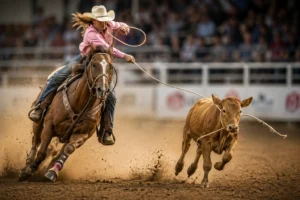
| Catching cattle | Tie-down roping |
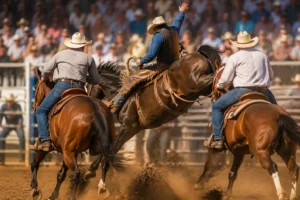
| Controlling horses | Bronc riding |
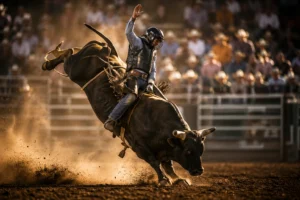
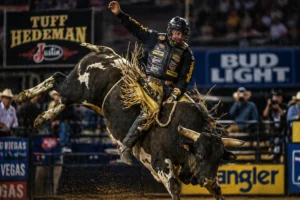
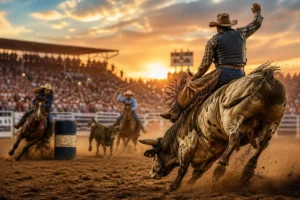
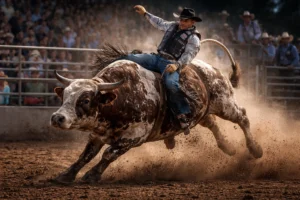
| Handling aggressive bulls | Bull riding |
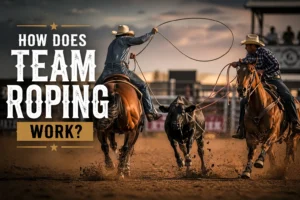
| Herd management | Team roping |
This shift is a turning point in the history of rodeo in Texas. Work became sport. Skill became spectacle.
1883: The First Official Texas Rodeo
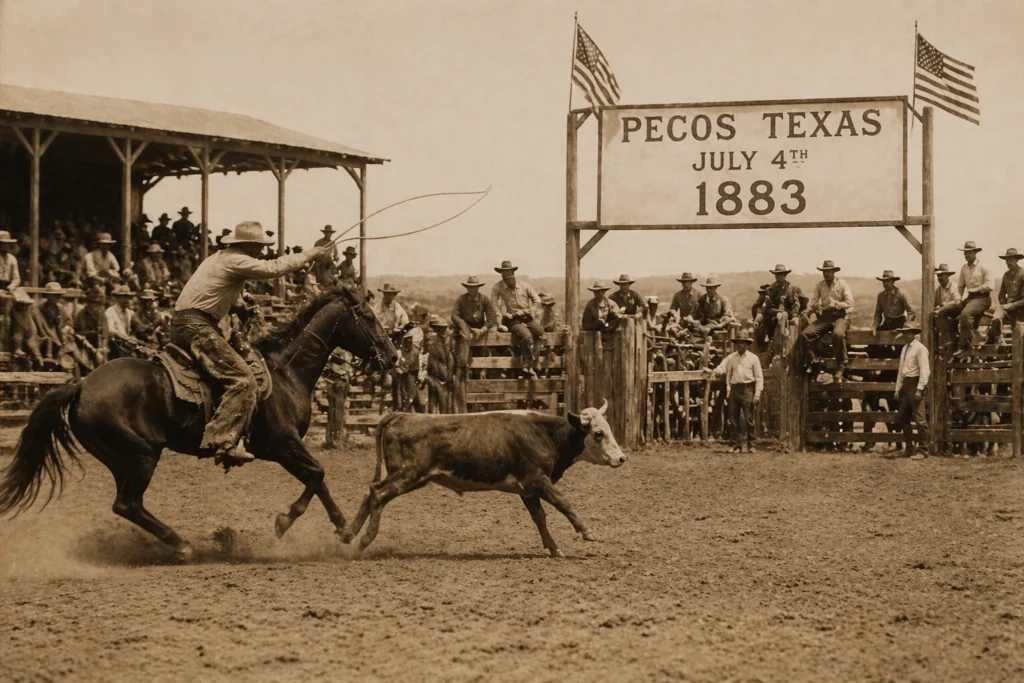
Let’s get specific. In 1883, a small town called Pecos hosted what’s widely recognized as the first official rodeo in Texas. It was held on July 4th. Cowboys competed. People watched. But this wasn’t just another gathering it was structured. There were rules. There were prizes. There was organization. That changed everything. For the first time, rodeo wasn’t just something that happened. It was something that was planned. And from there, it spread fast.
Expansion: Rodeo Becomes a Crowd Favorite
By the late 1800s and early 1900s, rodeo was gaining serious traction. Not just in Texas but across the United States. Events became bigger. Crowds grew. And entertainment value skyrocketed. A major influence? Buffalo Bill Cody. His Wild West shows took elements of cowboy life and turned them into performances for mass audiences. While not traditional rodeos, they helped introduce the culture and the excitement to people who had never seen it before. Suddenly, rodeo wasn’t just local. It was national. The history of rodeo in Texas during this period is defined by growth, adaptation, and a shift toward entertainment.
Standardization: Turning Chaos into Structure
Growth is exciting. But it creates problems. By the 1920s, rodeo events were everywhere and inconsistent. Different rules. Different scoring systems. Different expectations. That made competition messy. So, the industry adapted. Organizations began forming to standardize events, enforce rules, and create fair competition. Rodeo became more structured. More predictable. More professional.
Key changes included:
- Standard scoring systems
- Defined event formats
- Official judging criteria
- Organized championships
This was a major evolution in the history of rodeo in Texas. Rodeo was no longer just entertainment it was a legitimate sport.
Iconic Texas Rodeos: Bigger Than Ever
Today, Texas hosts some of the largest rodeos in the world.
Two stand out:
- Fort Worth Stock Show and Rodeo
- Houston Livestock Show and Rodeo
These aren’t small-town gatherings. They’re massive productions.
We’re talking:
- Hundreds of thousands of attendees
- Multi-million-dollar prize pools
- Concerts featuring major artists
- Global media coverage
And yet, despite the scale, the core remains the same skill, competition, and tradition. That balance between past and present defines the modern history of rodeo in Texas.
A Cultural Blend: More Than One Story
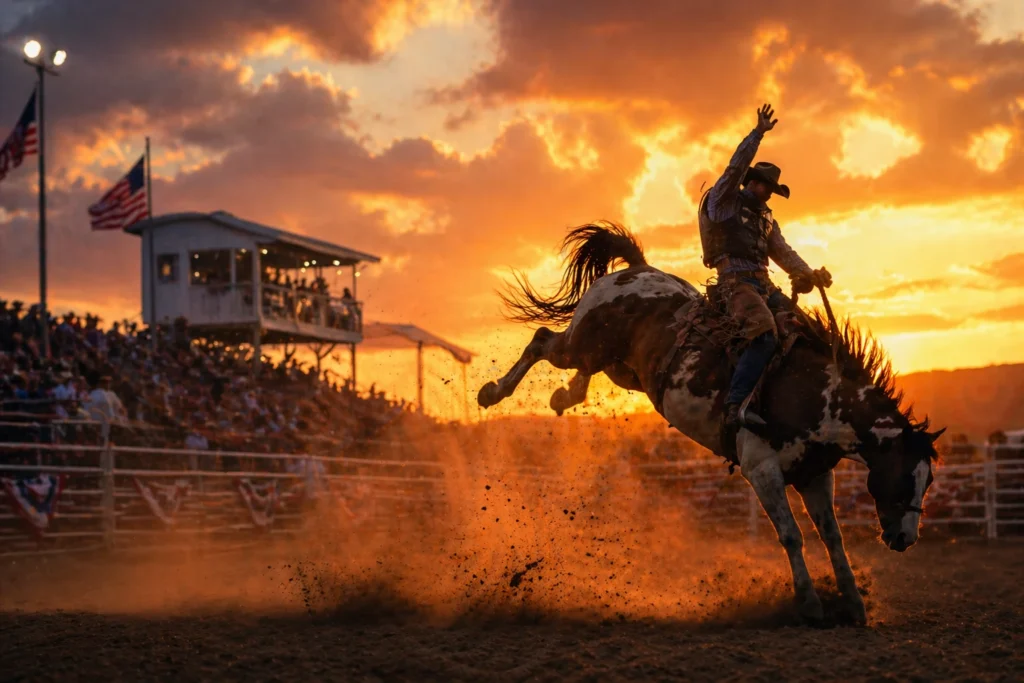
Rodeo isn’t owned by one group. It never was.
Its roots are diverse.
- Mexican vaqueros shaped the techniques
- African American cowboys contributed significantly to early ranching culture
- Native American riders brought their own traditions and styles
One standout figure? Bill Pickett.
A pioneering Black cowboy, Pickett invented “bulldogging,” now known as steer wrestling. His contributions changed rodeo forever. This diversity adds depth to the history of rodeo in Texas it’s not a single narrative. It’s a shared one.
Women in Rodeo: Strength Meets Skill
Rodeo wasn’t always inclusive. But women found their place and made it impossible to ignore. Early female riders competed in roughstock events. Over time, specialized events like barrel racing emerged. Today, women are a major part of rodeo at every level. They compete. They win. They lead. And they continue to reshape the sport. This evolution is a powerful chapter in the history of rodeo in Texas—one that’s still unfolding.
Modern Rodeo: Tradition Meets Entertainment
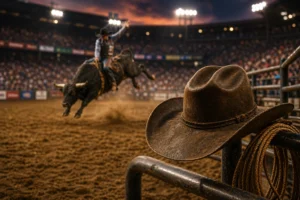
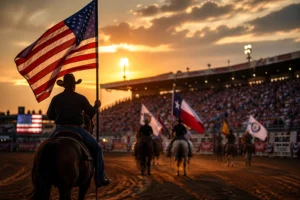
Step into a modern Texas rodeo, and you’ll see something fascinating. It’s not just a competition. It’s an experience. Lights. Music. Energy. Rodeo now blends sport with entertainment. Events are paired with concerts, food festivals, and community activities. And officially? Rodeo holds a special place. It’s recognized as the state sport of Texas. That recognition reinforces its importance not just as entertainment, but as heritage. For those trying to understand how everything flows during a live show, a quick Rodeo event order explained moment can make a huge difference it helps you follow the pacing, anticipate events, and appreciate the structure behind the spectacle.
Economic and Cultural Impact
Rodeo isn’t just meaningful. It’s valuable.
Here’s a quick breakdown:
| Impact Area | Contribution |
| Tourism | Attracts visitors from around the world |
| Local Economy | Boosts hotels, restaurants, and vendors |
| Agriculture | Supports livestock industries |
| Community Identity | Strengthens local traditions |
Events like the Houston Rodeo generate hundreds of millions of dollars annually.
That’s not small.
The history of rodeo in Texas isn’t just cultural it’s economic.
Challenges and Modern Pressures
Not everything is smooth.
Rodeo faces scrutiny especially around animal welfare.
Concerns include:
- Treatment of livestock
- Safety during events
- Ethical standards
In response, organizations have introduced stricter regulations, improved veterinary oversight, and updated safety protocols. The goal is clear: preserve tradition while meeting modern expectations. It’s a balancing act. And it’s ongoing.
Why Rodeo Still Matters
So why does rodeo still resonate? Simple. It connects people to something real.
It’s about skill. Courage. Precision. Tradition. In a fast-moving world, rodeo slows things down just enough to remind us where it all started. The history of rodeo in Texas isn’t finished. It’s evolving. Every event, every rider, every crowd adds another layer.
A Deeper Lens: Understanding the “Ethos” of Rodeo
To fully appreciate the sport, it helps to understand its underlying ethos the character and guiding beliefs that shape it. Rodeo isn’t just about winning. It’s about resilience, independence, and respect for the land and animals.
If you want to explore this concept further, here’s a helpful reference:
👉 https://en.wikipedia.org/wiki/Ethos
That idea ethos is woven into every part of the history of rodeo in Texas. It explains why traditions endure, why competitors push through setbacks, and why audiences keep coming back.
Practical Takeaways: Experiencing Texas Rodeo Today
If you’re new to rodeo or just want a better experience here’s what matters:
Before You Go
- Check event schedules early
- Buy tickets in advance
- Learn basic event types
During the Event
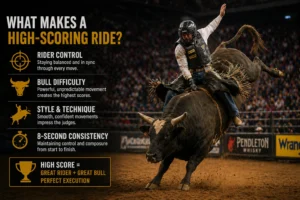
- Watch for scoring patterns
- Pay attention to technique, not just outcomes
- Explore the full venue not just the arena
Afterward
- Reflect on what stood out
- Follow riders or events online
- Plan your next visit
Rodeo is more than something you watch. It’s something you experience.
Conclusion: The Legacy Lives On
The history of rodeo in Texas is built on grit, shaped by culture, and sustained by passion. From dusty ranches to global arenas, it has come a long way. But at its core, it hasn’t changed. It’s still about people. Skill. And the drive to prove something sometimes to a crowd, sometimes just to yourself. And that’s why it endures.
FAQs
What is the origin of rodeo in Texas?
odeo in Texas originated from Spanish vaquero traditions and early ranching practices in the 1500s.
When was the first official rodeo held in Texas?
The first official rodeo in Texas took place in 1883 in Pecos.
How did rodeo evolve from ranch work?
Everyday cowboy tasks like roping and riding turned into competitive events during local gatherings and fairs.
Why is rodeo important to Texas culture?
Rodeo reflects Texas heritage, showcasing skills, traditions, and values rooted in ranching history.
What are the main rodeo events today?
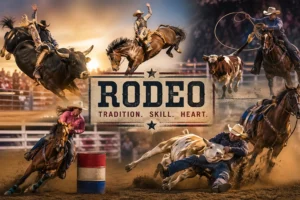
Common events include bull riding, bronc riding, tie-down roping, steer wrestling, and barrel racing.
Who helped popularize rodeo across the U.S.?
Buffalo Bill Cody helped bring cowboy culture to wider audiences through Wild West shows.
What role did diversity play in rodeo history?
Mexican vaqueros, African American cowboys, and Native Americans all contributed to shaping rodeo traditions.
Are women active in rodeo today?
Yes, women compete in events like barrel racing and play a major role in modern rodeo.
What are the biggest rodeos in Texas?
Major events include the Houston Livestock Show and Rodeo and the Fort Worth Stock Show and Rodeo.
Is rodeo still relevant today?
Absolutely rodeo remains a major sport and cultural event in Texas, blending tradition with modern entertainment.