How to Bull Ride: A Beginner-to-Pro Guide to Mastering the Arena

Table of Contents
How to Bull Ride 1

Bull riding is raw. It’s fast, violent, and unforgiving and that’s exactly why it pulls people in. If you’ve ever wondered how to bull ride, you’re stepping into one of the most demanding disciplines in rodeo. It’s not just about hanging on for eight seconds. It’s about control, timing, strength, and grit. In this guide, I’ll walk you through exactly how to bull ride from the first moment you step into the chute to the second your boots hit the dirt after the buzzer. No fluff. Just real, actionable insight you can use.

What Is Bull Riding? Understanding the Sport

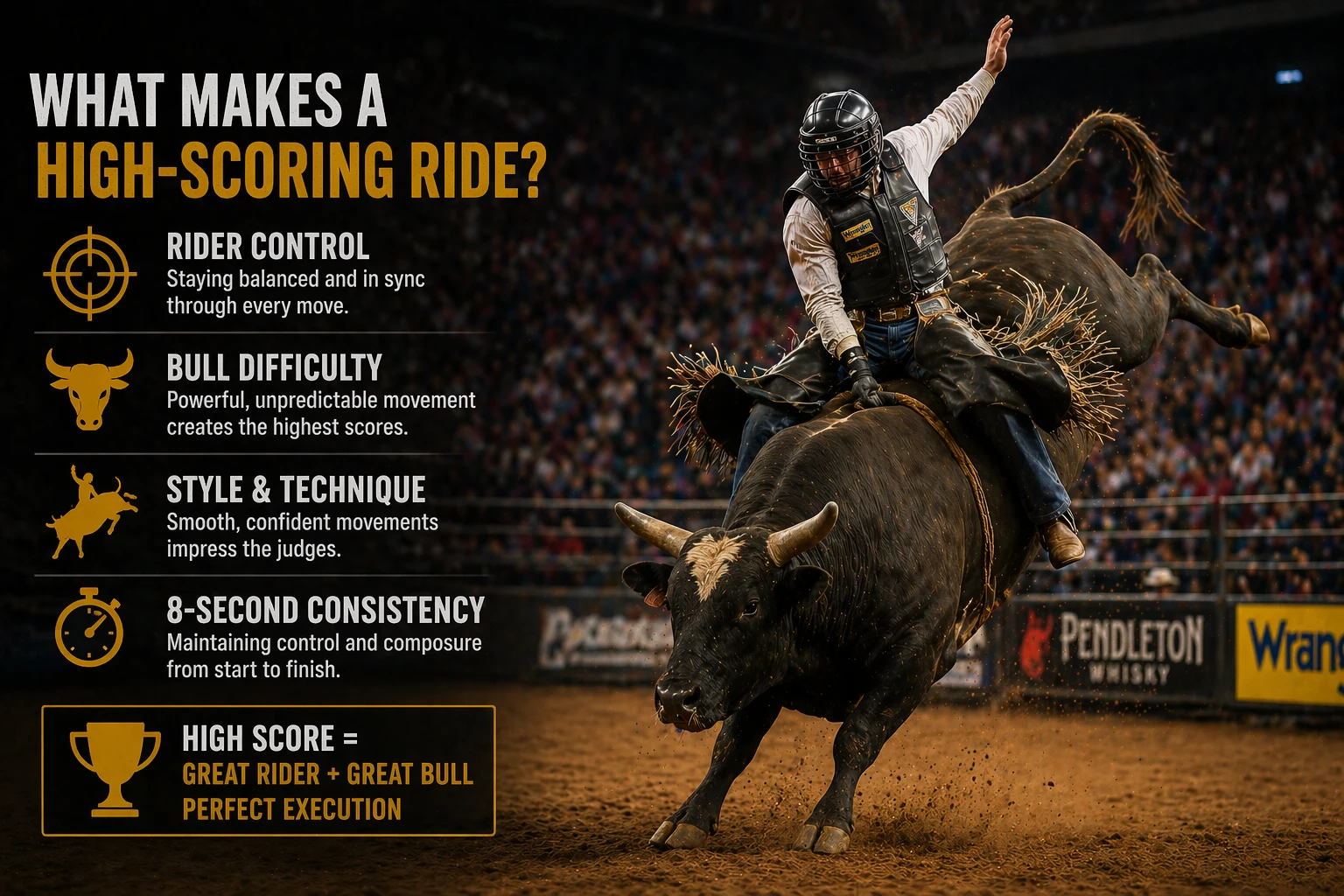
Bull riding is the headline act of rodeo. One rider. One bull. Eight seconds that feel like a lifetime. The goal is simple: stay on the bull for at least eight seconds while maintaining control and proper form. Judges score both the rider and the bull. Riders earn points for technique, balance, and control. Bulls get scored based on power, speed, and unpredictability. Organizations like the Professional Rodeo Cowboys Association set the standards and rules across major competitions. But here’s the truth understanding the rules is the easy part. Learning how to bull ride? That’s where the work begins.

The Physical and Mental Demands of Bull Riding

Bull riding demands more than courage. It demands preparation.

Physical Strength and Conditioning

You need strength. Real strength.

  • Core strength keeps you centered
  • Grip strength keeps your hand locked into the rope
  • Leg control helps stabilize your body
  • Balance and coordination keep you from getting thrown instantly

This isn’t casual fitness. It’s targeted, functional strength. The stronger your core and legs, the more control you’ll have when the bull changes direction mid-buck.

Mental Toughness

How to Bull Ride 2

This is where most people break. When the gate swings open, your brain wants to panic. You have to override that instinct. Stay calm. Stay focused. React, don’t freeze. Top riders visualize their ride before it even begins. They anticipate chaos and prepare for it.

Essential Bull Riding Gear

Gear won’t make you a great rider. But the wrong gear can end your ride before it begins.

Protective Equipment

How to Bull Ride 3
  • Helmet or cowboy hat – Helmets are increasingly common for safety
  • Protective vest – Absorbs impact and protects ribs and organs
  • Mouthguard – Small detail, big difference
  • Gloves – Essential for grip and rope control

Riding Equipment

  • Bull rope – Your lifeline
  • Rosin – Improves grip
  • Boots with spurs – Help maintain positioning

Everything you wear should serve a purpose. If it doesn’t, leave it out. Comfort matters but function matters more.

How to Bull Ride: Step-by-Step Guide

Let’s get into it. This is the core of how to bull ride the actual process.

Step 1 Getting Mounted

This starts in the chute. Tight space. High tension.

  • Sit forward on the bull’s shoulders
  • Wrap your riding hand tightly in the rope
  • Keep your free hand loose and ready

Your grip matters. Too loose, and you’re off instantly. Too tight, and you lose flexibility.

Step 2 Finding Your Balance

Balance isn’t static. It’s constant adjustment.

  • Keep your chest up
  • Hips centered over the bull
  • Heels down, knees slightly bent

Think of your body as a shock absorber. You’re not fighting the bull you’re moving with it.

Step 3 Riding the Bull

This is where things get real.

When the gate opens, the bull explodes. You need to react instantly.

  • Match the bull’s rhythm
  • Stay loose in your upper body
  • Keep your free arm controlled, not flailing

Every bull moves differently. Some spin. Some kick high. Some twist unpredictably. Your job is to adapt in real time.

Step 4 The 8-Second Ride

Eight seconds sounds short. It’s not.

  • Focus on timing
  • Anticipate direction changes
  • Stay centered no matter what

Judges look for control. Not just survival. A rider who dominates the movement will always score higher than one barely hanging on.

Step 5 The Dismount

This part gets overlooked. It shouldn’t.

  • Lean away from the bull
  • Release your grip cleanly
  • Move quickly out of the danger zone

A successful ride isn’t over at the buzzer. It ends when you’re safe.

Common Mistakes Beginners Make

Everyone makes mistakes. The smart riders learn from them fast.

Here are the big ones:

  • Over-gripping the rope – Reduces flexibility
  • Leaning too far forward – Throws off balance
  • Leaning too far back – Leads to instant ejection
  • Freezing under pressure – Reaction time disappears
  • Ignoring posture – Everything falls apart

Correcting these mistakes early can dramatically speed up your progress.

Training Tips for Aspiring Bull Riders

You don’t start on a live bull. You build up to it.

Practice Techniques

  • Barrel drills – Simulate bull movement
  • Mechanical bulls – Build timing and confidence
  • Balance boards – Improve coordination

Repetition matters. The more your body experiences the motion, the faster it adapts.

Strength Training Routine

Here’s a simple breakdown:

Focus AreaExercises
CorePlanks, Russian twists
GripDead hangs, farmer’s carries
LegsSquats, lunges
CardioSprints, interval training

Add mobility work as well. Flexibility helps prevent injury and improves reaction speed.

Safety Tips Every Rider Must Know

Let’s be direct. Bull riding is dangerous.

But you can reduce risk.

  • Always wear proper protective gear
  • Train under experienced supervision
  • Know your limits don’t rush progression
  • Stay aware of your surroundings in the arena

Interestingly, managing risk in extreme sports often mirrors concepts in Ergodic theory where long-term outcomes emerge from unpredictable systems.

Safety isn’t optional. It’s part of learning how to bull ride.

How to Get Started in Bull Riding

You don’t just show up and ride.

Here’s how to begin:

  • Join a rodeo school
  • Work with experienced trainers
  • Start with controlled practice setups
  • Enter beginner-level competitions

Many successful riders started small local arenas, training pens, and amateur events. That’s where real growth happens.

What Makes a Great Bull Rider?

Talent helps. But it’s not enough.

Great riders share these traits:

  • Timing – They move with the bull, not against it
  • Confidence – Even under pressure
  • Consistency – Not just one good ride
  • Resilience – They get back up after being thrown

They also study. They watch footage. They analyze mistakes. Improvement is intentional.

The Role of Bullfighters and Rodeo Teams

You’re not alone in the arena. Bullfighters often called rodeo clowns play a critical role. They distract the bull after your ride, giving you time to get to safety. They’re fast. Fearless. Essential. Behind the scenes, there are also coaches, stock contractors, and medical teams. Bull riding may look like a solo sport, but it’s supported by a full team.

Bull Riding vs Other Rodeo Events

Bull riding stands apart. Compared to bronc riding or steer wrestling, bull riding is more explosive. More unpredictable. More intense. Why? Because bulls don’t follow patterns. They react instinctively. That unpredictability is what makes learning how to bull ride both challenging and addictive and while performance is the focus, many newcomers also explore a Rodeo fashion guide to better understand traditional rodeo culture and appearance.

Scoring Breakdown: What Judges Look For

Understanding scoring helps you ride smarter.

CategoryWhat Matters
Rider ControlBalance, posture, timing
StyleFluid, confident movements
DifficultyHow challenging the bull is
Bull PerformanceStrength, agility, aggression

Scores typically range up to 100 points, split between rider and bull.

Quick Do’s and Don’ts

Do:

  • Stay loose and reactive
  • Focus on balance
  • Train consistently
  • Learn from experienced riders

Don’t:

  • Panic in the chute
  • Overthink during the ride
  • Ignore safety gear
  • Rush your progression

Beginner vs Advanced Bull Riding Skills

Skill LevelFocus
BeginnerBalance, grip, basic posture
IntermediateTiming, movement control
AdvancedPrecision, consistency, scoring performance

Each stage builds on the last. Respect the process.

Final Thoughts: Is Bull Riding Right for You?

Bull riding isn’t for everyone. And that’s okay. It demands time. Discipline. And a willingness to face fear head-on. But if you’re serious about learning how to bull ride, the reward is unmatched. There’s nothing like those eight seconds. Nothing. You feel everything. Power. Pressure. Pure adrenaline. And when you ride it out? That’s when you understand why people dedicate their lives to this sport. So, start smart. Train hard. Stay consistent. Then step into the chute and find out what you’re made of.

FAQs

Is bull riding safe for beginners?

Bull riding carries risk, but beginners can reduce danger by training with professionals and using proper protective gear.

How long do you have to stay on the bull?

You must stay on for at least 8 seconds to qualify for a score.

What is the most important skill in bull riding?

Balance is the most critical skill, as it allows you to stay centered and react to the bull’s movements.

Do you need to be very strong to bull ride?

Yes, especially core and grip strength, but technique and timing are just as important.

Can anyone learn how to bull ride?

Most people can learn the basics, but it requires dedication, training, and mental toughness to improve.

What should beginners practice first?

Start with balance drills, barrel riding, and mechanical bulls before attempting live bulls.

Why do bull riders use one hand?

Riders must use only one hand to hold the rope; touching the bull with the other hand results in disqualification.

How are bull riding scores calculated?

Scores are based on both the rider’s performance and the bull’s difficulty, typically totaling up to 100 points.

What happens if you fall off early?

If you don’t make 8 seconds, you receive no score, but the experience still helps improve your skills.

How do I start competing in bull riding?

Join a rodeo school, train with experienced riders, and begin with amateur or local competitions.

Related Posts