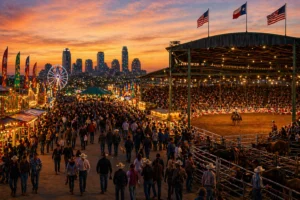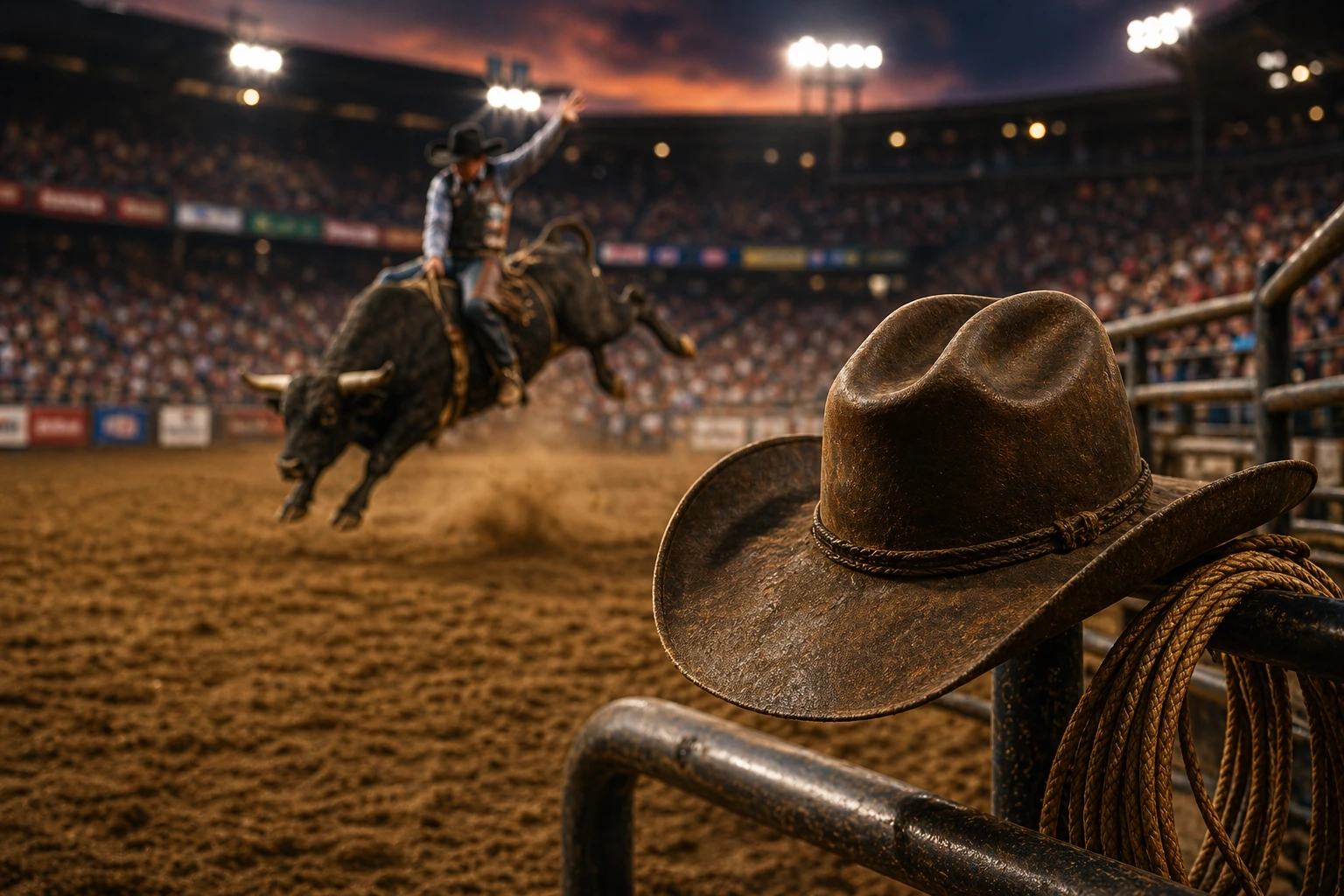
Walk into any arena on rodeo night and you’ll feel it immediately the tension, the rhythm, the anticipation building with every passing minute. It’s loud. It’s fast. It’s unpredictable. But here’s the part most people don’t realize: none of it is random. This guide to rodeo event order explained breaks down exactly how a rodeo flows, why it’s structured the way it is, and how understanding that flow transforms your entire experience. Once you see the pattern, everything clicks. The pacing feels intentional. The excitement builds with purpose. And suddenly, you’re not just watching you’re following a story unfolding in real time.
What Is a Rodeo Event Order?
Rodeo event order is the planned sequence of competitions and performances that take place during a rodeo. It’s carefully designed. Not guessed. Not improvised. Every event is placed for a reason timing, safety, audience engagement, and even livestock management all play a role. Think of it like a live production where each act has a purpose. There’s a beginning that grabs your attention, a middle that builds momentum, and an ending that leaves a lasting impression. Organizations like the Professional Rodeo Cowboys Association have helped standardize this structure, especially at the professional level. Still, even smaller rodeos follow a similar pattern because it works consistently. This is where rodeo event order explained becomes more than just a list it becomes a framework for understanding the entire event.
The Typical Rodeo Event Order (Quick Overview)
Here’s the standard lineup you’ll see at most rodeos:
| Order | Event |
| 1 | Grand Entry |
| 2 | Bareback Riding |
| 3 | Steer Wrestling |
| 4 | Team Roping |
| 5 | Saddle Bronc Riding |
| 6 | Tie-Down Roping |
| 7 | Barrel Racing |
| 8 | Bull Riding |
Simple at first glance. But every placement is intentional.
Opening Ceremony: Setting the Stage
Before the competition begins, the rodeo establishes tone and energy immediately.
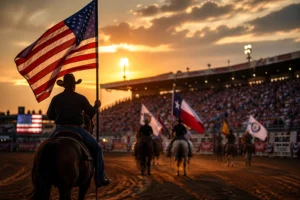
Grand Entry
The Grand Entry is bold and unforgettable. Rider’s charge into the arena. Flags wave. Music echoes. The crowd locks in. This moment signals that everything that follows matters.
National Anthem and Introductions
Then the energy shifts briefly but meaningfully. The anthem grounds the event in tradition. Riders are introduced. You begin to recognize names and stories. This is the emotional setup. It pulls the audience in before the action begins.
Roughstock Events: Starting Strong
Rodeos don’t ease into excitement they launch into it.
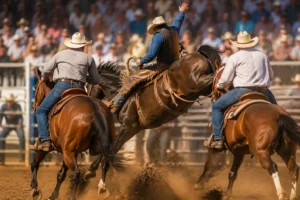
Bareback Riding
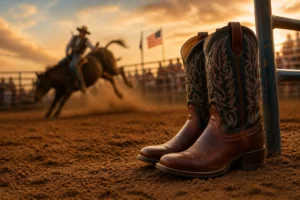
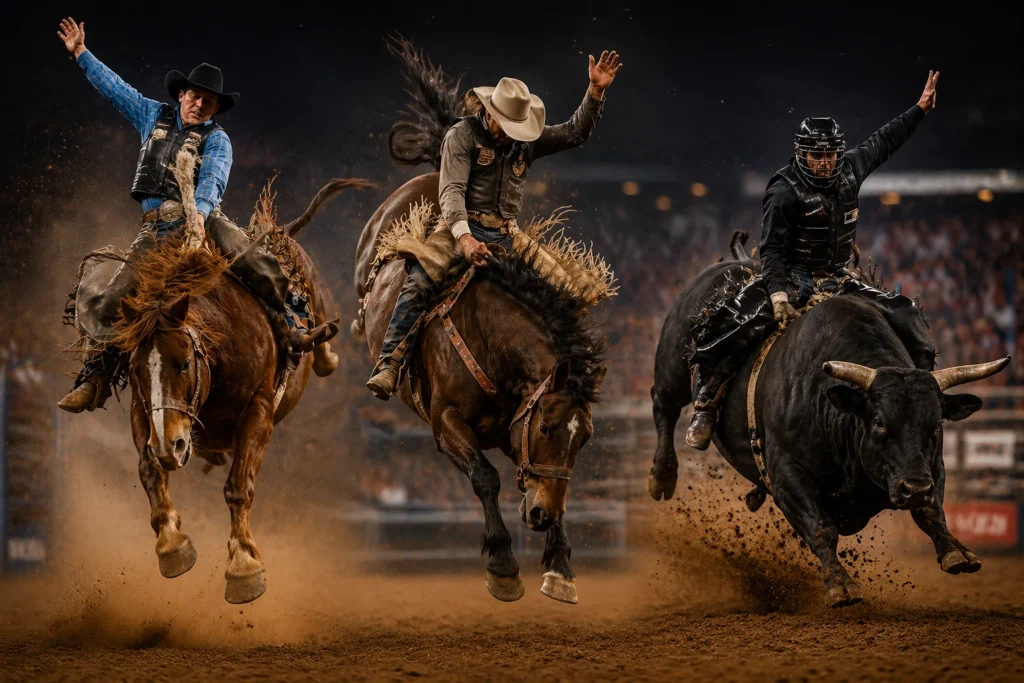
This is raw intensity. Riders grip a rigging with one hand while staying balanced on a bucking horse. Eight seconds. That’s all they need to hold on. But it feels like much longer. Starting with bareback riding grabs attention immediately.
Saddle Bronc Riding
Smoother. More rhythmic. But still intense. Saddle bronc riding blends control with chaos. It’s often called rodeo’s classic event because of its history and technique. Placed after bareback riding, it keeps momentum going without overwhelming the audience too early.
Why Roughstock Events Come Early
- High energy right from the start
- Visually dramatic
- Sets the tone for the entire event
This is a key part of rodeo event order explained start strong, but don’t peak too soon.
Timed Events: Precision Takes Over
After the explosive start, rodeos shift into something more technical.
Steer Wrestling
Also known as “bulldogging,” this event is fast and physical. Riders leap from horseback onto a steer and bring it down in seconds. Blink, and it’s over.
Team Roping
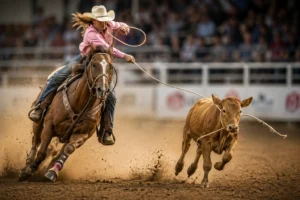
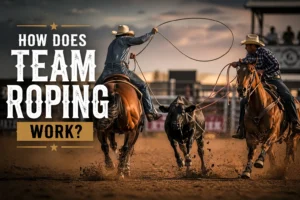
Two riders work together with precise timing. One ropes the head. The other ropes the legs. Coordination is everything here.
Tie-Down Roping
This event is all about efficiency. Rope, dismount, tie every move must be fast and controlled. Mistakes cost time. And time is everything.
Barrel Racing
Then comes speed with finesse.
Barrel racing delivers fast-paced action with tight turns and explosive acceleration. It often resets the crowd’s energy before the finale. And that placement? Not accidental.
Scoring Explained: How Winners Are Decided
Understanding scoring adds a whole new layer to the experience.
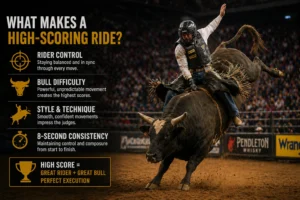
Roughstock Events (Judged)
Riders are scored on:
- Control
- Technique
- Synchronization with the animal
Animals are also scored. Yes, really. Higher combined scores win.
Timed Events
Simple. Fastest time wins.
But penalties apply:
- Missed ropes
- Knocked barrels
- Mistimed finishes
One small mistake can change everything. This is another layer of rodeo event order explained not just what happens, but how it’s judged.
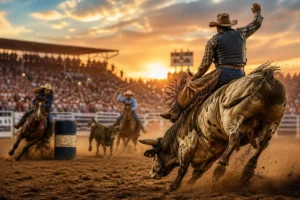
Why Bull Riding Is Always Last
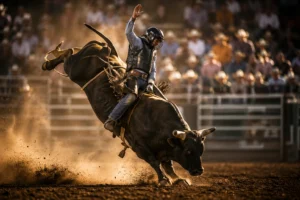
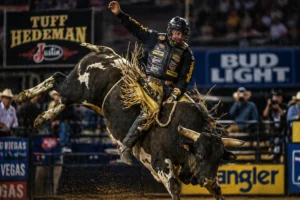
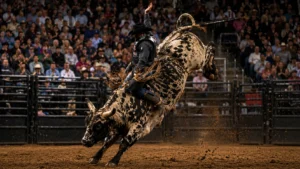
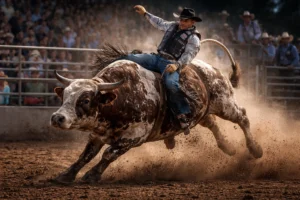
Let’s not overcomplicate this. Bull riding is the most dangerous, unpredictable, and electrifying event in rodeo. It’s the one people wait for.
Saving it for last ensures:
- Maximum crowd engagement
- A dramatic finish
- A lasting impression
You don’t follow bull riding with anything else. You end on it. Always.
Why the Rodeo Event Order Matters

This structure isn’t tradition for tradition’s sake. It’s strategy.
Here’s what it accomplishes:
- Creates momentum from start to finish
- Balances intensity between roughstock and timed events
- Allows arena crews time to reset equipment and livestock
- Keeps the audience engaged without burnout
Without structure, the rodeo feels chaotic. With it, everything flows. That’s the heart of rodeo event order explained.
Behind the Scenes: What You Don’t See
Here’s where things get interesting. Between events, a full team is working behind the scenes:
- Arena crews resetting gates
- Livestock handlers preparing animals
- Judges coordinating scores
- Announcers filling gaps
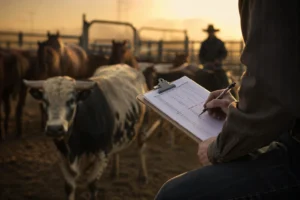
Timing is everything. It’s almost like a real-time system of chronometry every second accounted for. If something runs late, it affects everything that follows. You may not notice it. But it’s happening constantly.
Rodeo Clowns: More Than Entertainment
Rodeo clowns aren’t just there for laughs.
They:
- Protect fallen riders
- Distract bulls
- Keep the crowd engaged during transitions
They’re part safety crew, part performer, part time manager. Without them, the flow breaks.
How Long Each Rodeo Event Takes
Rodeos feel long. But the action itself? It’s quick.
| Event Type | Duration |
| Roughstock Rides | ~8 seconds |
| Timed Events | 5–20 seconds |
| Barrel Racing | ~15–20 seconds |
| Full Rodeo | 2–3 hours |
It’s a series of short, intense bursts. That’s what keeps it exciting.
Tips for First-Time Rodeo Fans
Want to get more out of your experience? Start here:
- Arrive early to catch the Grand Entry
- Watch transitions, not just events
- Learn scoring basics ahead of time
- Stay until the end bull riding is worth it
And if you’ve ever wondered What happens at a rodeo, this structured flow is your answer. Every moment has a place. Every event build toward something bigger.
Variations in Rodeo Event Order
Not all rodeos are identical.
Local Rodeos
- More flexible scheduling
- Occasional event swaps
Youth Rodeos
- Simplified structure
- Lower-intensity events
Professional Rodeos
- Strict structure
- Broadcast timing considerations
Still, the core format rarely changes.
Common Questions About Rodeo Event Order
Are events always in the same order?
Mostly, yes. Minor adjustments happen, but the structure is consistent.
Why is bull riding last?
Because it delivers the biggest impact and closes the show strong.
Can events be rearranged?
Sometimes, due to weather or delays but organizers avoid it when possible.
What happens during delays?
Clowns perform, announcers engage the crowd, and the event keeps moving.
Final Thoughts: Understanding the Flow of a Rodeo
Here’s the truth.
A rodeo isn’t just a collection of events it’s a carefully built experience. A sequence designed to capture attention, build excitement, and deliver a powerful finish. Once you understand rodeo event order explained, everything changes. You start anticipating what’s next. You recognize the pacing. You feel the buildup. And when that final bull bursts into the arena? You’re ready for it. That’s the difference between watching a rodeo and truly understanding it.
FAQs
What is the typical rodeo event order?
Most rodeos follow a set sequence starting with the Grand Entry and ending with bull riding to build excitement and maintain flow.
Why does bull riding always come last?
Bull riding is the most intense and dangerous event, so it’s saved for the finale to leave a strong impression.
Are all rodeos the same in structure?
Not exactly, but most follow a similar format, especially those guided by professional organizations.
How long does a full rodeo usually last?
A standard rodeo lasts about 2 to 3 hours, depending on the number of competitors and events.
Why are roughstock events placed early?
hey deliver immediate excitement and grab the audience’s attention right from the start.
What are timed events in a rodeo?
Timed events focus on speed and precision, where the fastest competitor wins.
Do rodeo events ever change order?
Yes, but only in special situations like weather delays or scheduling issues.
What role do rodeo clowns play in the event order?
They entertain the crowd and ensure safety, especially during transitions and bull riding.
Is there a break between events?
Short transitions happen between events, often filled with announcements or entertainment.
Why is understanding rodeo event order important?
Knowing the structure helps you follow the action, understand pacing, and enjoy the rodeo more fully.