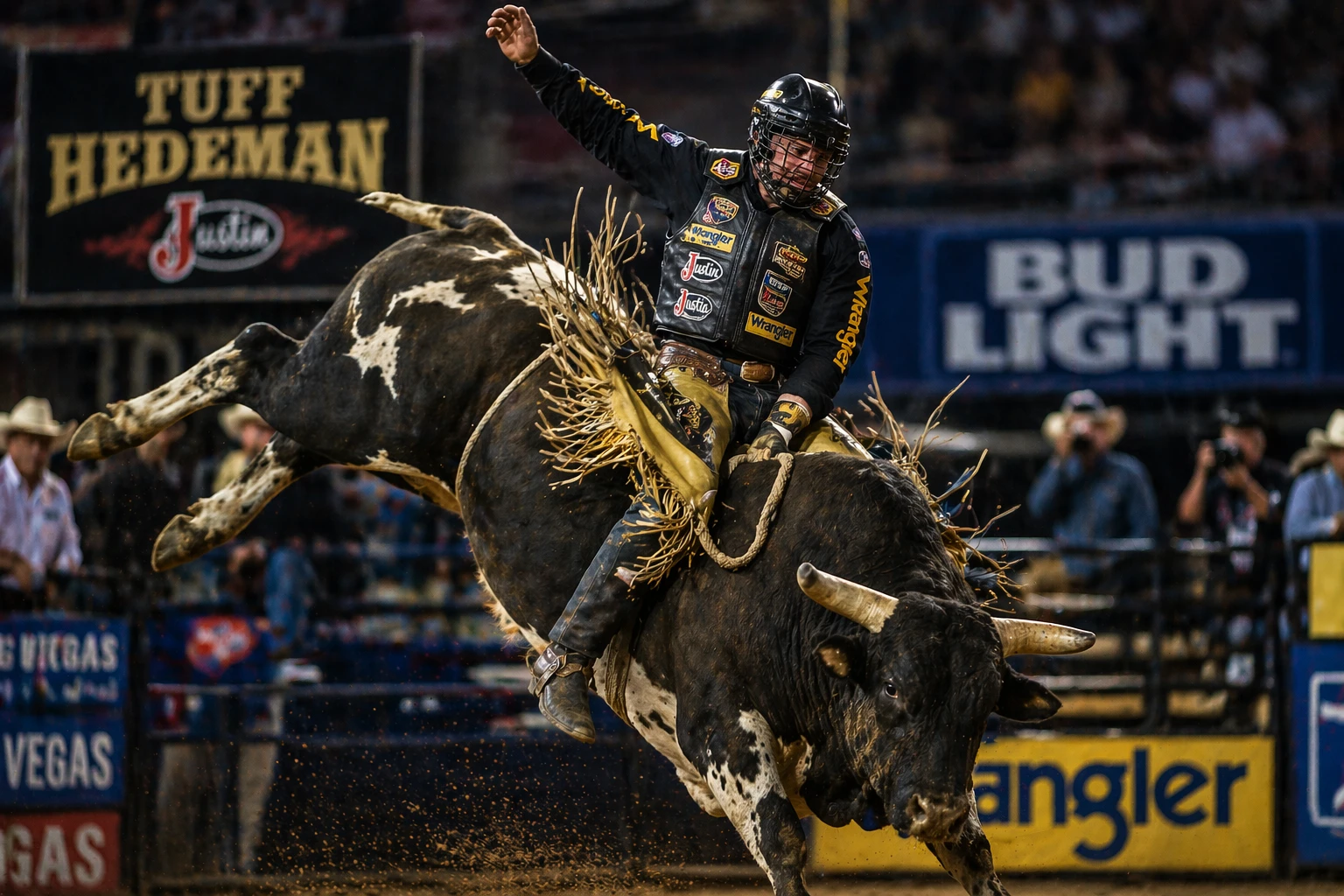
Texas doesn’t just participate in rodeo it shapes it. And when you start talking about famous Texas rodeo cowboys, you’re stepping into a world built on grit, repetition, and moments that last seconds but define careers. This isn’t just about names on a leaderboard. It’s about influence. These cowboys changed how the sport is performed, judged, and remembered. Some rewrote the record books. Others rewrote expectations. If you want to understand rodeo at a deeper level how it works, what it demands, and why certain athletes stand above the rest you need to start here.
Why Texas Dominates the Rodeo World
Texas has always had the right ingredients. Land. Livestock. And a culture that respects skill over talk. Rodeo wasn’t invented in a boardroom. It evolved from real ranch work. And Texas ranching culture gave rodeo its backbone.
Here’s why the state consistently produces top-tier talent:
- Early exposure: Kids grow up around horses, ropes, and competition
- Year-round events: Local rodeos, regional circuits, and major competitions
- Strong mentorship culture: Skills passed down through generations
- Competitive pressure: You’re constantly facing elite talent
Add in major events like the National Finals Rodeo and governing bodies like the Professional Rodeo Cowboys Association, and you get a system that rewards consistency and resilience. Texas doesn’t just produce cowboys. It produces champions who last.
Early Legends Who Shaped Texas Rodeo
Before the bright lights and national broadcasts, there were pioneers. They didn’t have sponsorships. They had skill.
William Pickett The Original Innovator
William Pickett didn’t just compete he changed the game. He invented bulldogging, now known as steer wrestling. Picture this: jumping from a running horse onto a steer and bringing it down with technique and timing. It was raw. It was risky. And it worked. Pickett also broke barriers as one of the first Black rodeo stars to gain national attention. That matters. Because influence isn’t just about performance it’s about who gets seen. What made him truly legendary was adaptability. He performed in Wild West shows, toured nationally, and turned a working ranch skill into a spectator sport. His legacy still shows up every time a steer wrestler enters the arena.
Neal Gay The Showman Who Elevated Rodeo
Neal Gay understood something others didn’t: rodeo is competition, but it’s also entertainment. He helped transform rodeo into a spectacle that could draw crowds, build narratives, and keep fans coming back. That shift laid the groundwork for modern rodeo events.
If you look at the broader History of rodeo , figures like Neal Gay played a critical role in turning local competitions into large-scale productions that could capture statewide and eventually national attention. He wasn’t just a performer. He was a strategist. And that combination changed everything.
Modern Texas Rodeo Superstars
This is where dominance becomes undeniable. These are the names that show up again and again when discussing famous Texas rodeo cowboys.
Ty Murray The King of the Cowboys
Ty Murray didn’t specialize. He mastered everything. Nine world championships. Multiple events. Unmatched discipline. He approached rodeo like a system. Train harder. Think sharper. Execute better. Here’s what most people miss: Murray studied his competitors. He analyzed patterns. He treated rodeo like a high-performance profession long before that mindset became common. And when the pressure peaked, he delivered. Every time. He also co-founded Professional Bull Riders, helping elevate bull riding into a global sport.
Trevor Brazile The Benchmark for Excellence
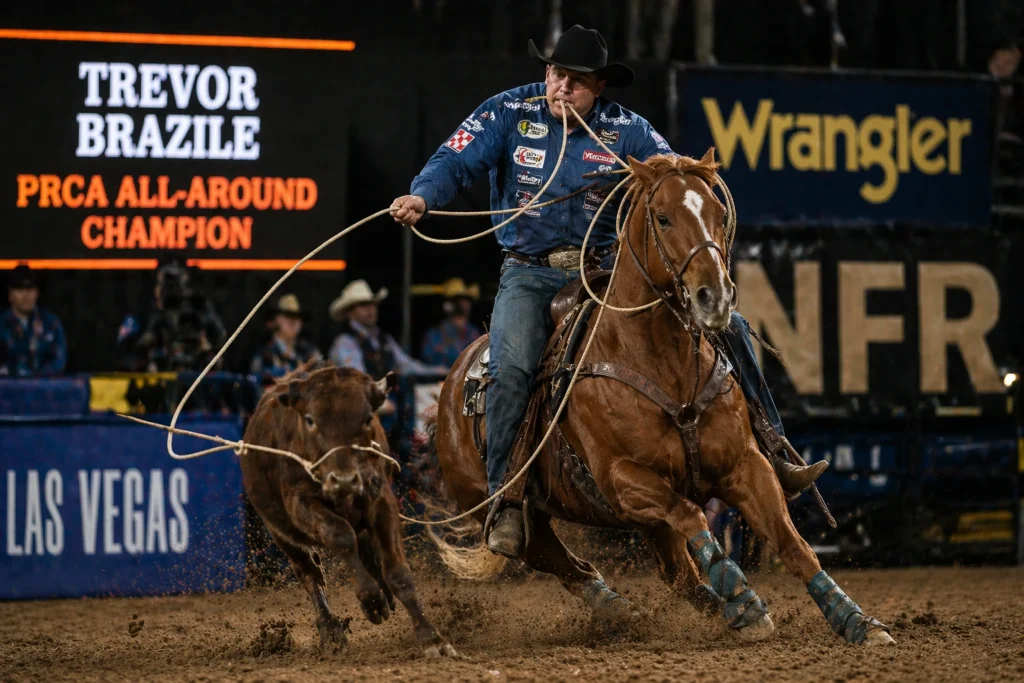
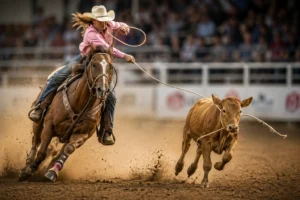
Trevor Brazile didn’t just win he dominated over time. More championships than any other cowboy. That doesn’t happen by accident. Brazile built his success on discipline and repetition. He didn’t chase highlights. He chased results.
He focused on:
- Clean execution
- Minimal mistakes
- Long-term consistency
If you’re studying famous Texas rodeo cowboys, Brazile represents the gold standard of sustained excellence.
Tuff Hedeman Built for High Risk
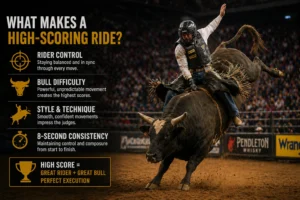
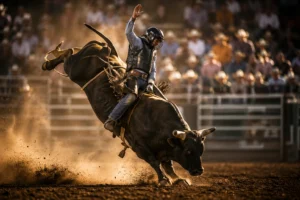
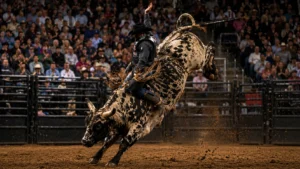
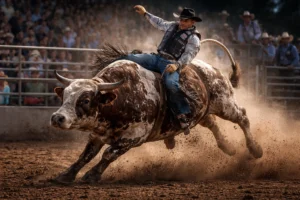
Tuff Hedeman made a career out of one of the most dangerous events in rodeo. Bull riding is unpredictable. One wrong move, and the outcome changes instantly. Hedeman thrived in that environment. He didn’t just rely on courage. He built technique balance, timing, positioning. He understood how to stay centered when everything around him was chaos. That’s what separates elite riders from the rest.
Champions of Specific Rodeo Events
Not every legend dominates across events. Some specialize and completely own their lane.
Event Specialists and Their Impact
| Event | Cowboy | Key Strength |
| Tie-Down Roping | Fred Whitfield | Speed and flawless execution |
| Bull Riding | J.W. Harris | Technical precision under pressure |
| All-Around | Roy Cooper | Versatility and dominance |
These athletes didn’t just win they forced the entire field to improve. And when that happens, the sport evolves.
Texas Rodeo Cowboys Hall of Fame and Legacy
Recognition matters. Not for ego but for preservation. The Texas Rodeo Cowboy Hall of Fame exists to honor those who built the sport.
It serves three key roles:
- Preserving rodeo history
- Recognizing elite performers
- Educating future generations
For anyone serious about understanding famous Texas rodeo cowboys, this is where legacy becomes permanent.
Rising Texas Rodeo Cowboys to Watch
The next generation isn’t waiting. They’re already competing. Take Ezekiel Mitchell as an example. He represents a shift. Today’s cowboys train smarter. They analyze performance. They build strategies.
Here’s what’s changing:
- Access to coaching and video analysis
- Improved physical conditioning
- Earlier exposure to competition
The result? A faster, more technical rodeo landscape. And that means future famous Texas rodeo cowboys will likely reach elite levels even quicker.
What Makes a Texas Rodeo Cowboy Legendary
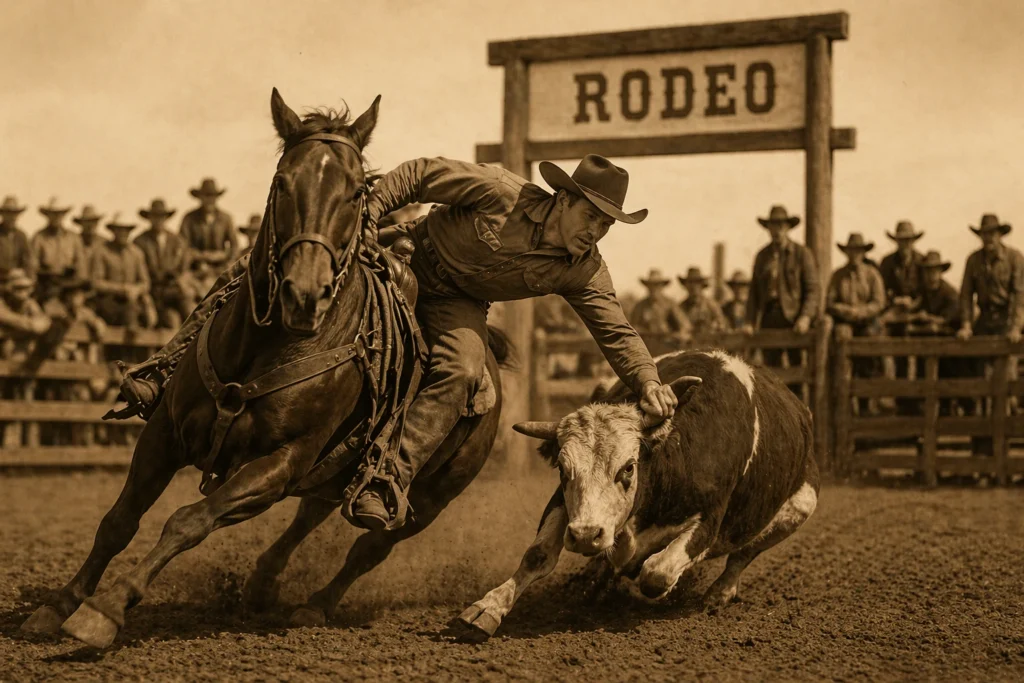
Not every competitor becomes one of the famous Texas rodeo cowboys. So, what separates the few from the many?
Core Traits of Rodeo Legends
- Consistency: Repeated performance over time
- Mental toughness: Ability to stay focused under pressure
- Technical mastery: Precision in every movement
- Adaptability: Performing in different arenas and conditions
There’s also a scientific side to it. High-level rodeo performance often mirrors principles seen in Biomechanics where efficiency, balance, and force determine outcomes. Every movement counts. Every adjustment matters.
The Cultural Impact of Texas Rodeo Cowboys
Rodeo isn’t just a sport. It’s a cultural force.
These cowboys influence:
- Western fashion trends
- Country music imagery
- Film portrayals of the American West
They also impact local economies.
Rodeo events generate:
- Tourism revenue
- Sponsorship deals
- Local business growth
Texas sits at the center of that ecosystem. And the famous Texas rodeo cowboys are the reason it continues to expand.
Lessons from Famous Texas Rodeo Cowboys
If you want to take something practical from this, here’s where it gets valuable.
Actionable Lessons You Can Apply
1. Master the Basics First
Every champion started with fundamentals. No shortcuts.
2. Build Consistency Before Flash
One big win doesn’t define a career. Repetition does.
3. Train for Pressure
The arena is unpredictable. So is life. Prepare for both.
4. Study the Competition
Top performers don’t guess they analyze.
5. Think Long-Term
The best careers are built over years, not moments. These principles apply far beyond rodeo.
Conclusion: The Legacy Lives On
The story of famous Texas rodeo cowboys is still being written. From pioneers like William Pickett to modern legends like Trevor Brazile, the pattern is clear. Skill matters. Discipline matters more. Texas continues to produce cowboys who don’t just compete they define the standard. And somewhere, right now, the next legend is training.
FAQs
Who are the most famous Texas rodeo cowboys?
Some of the most recognized names include Ty Murray, Trevor Brazile, and Tuff Hedeman.
Why is Texas known for producing top rodeo cowboys?
Texas has deep ranching roots, strong rodeo traditions, and year-round competitions that develop elite talent early.
What events do famous Texas rodeo cowboys compete in?
They compete in events like bull riding, tie-down roping, steer wrestling, saddle bronc riding, and all-around competitions.
Who is considered the greatest Texas rodeo cowboy of all time?
Many consider Trevor Brazile the greatest due to his unmatched number of championships.
What makes a rodeo cowboy “famous”?
Consistent wins, championship titles, influence on the sport, and long-term impact all contribute to fame.
Are there still rising Texas rodeo cowboys today?
Yes, younger athletes like Ezekiel Mitchell are continuing the legacy with modern training and competitive success.
How dangerous is rodeo for cowboys?
Rodeo is high-risk, especially events like bull riding, where injuries are common without proper technique and preparation.
What role does the Professional Rodeo Cowboys Association play?
The PRCA organizes events, sets standards, and ranks competitors across professional rodeo.
How do cowboys train for rodeo competitions?
They focus on physical conditioning, repetition of techniques, and mental preparation to handle pressure.
Where can I learn more about famous Texas rodeo cowboys?
You can explore rodeo museums, watch major events like the National Finals Rodeo, or follow rodeo organizations and archives.