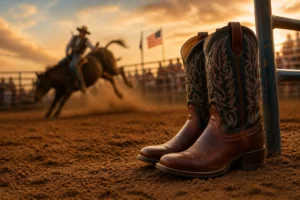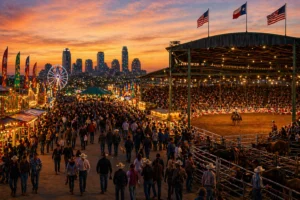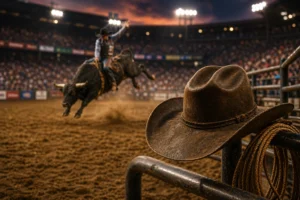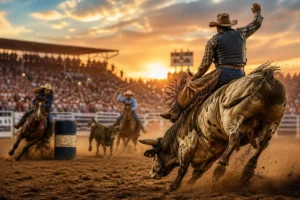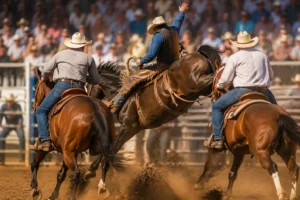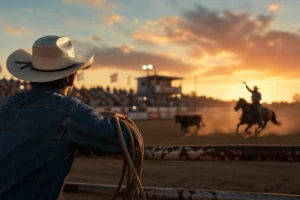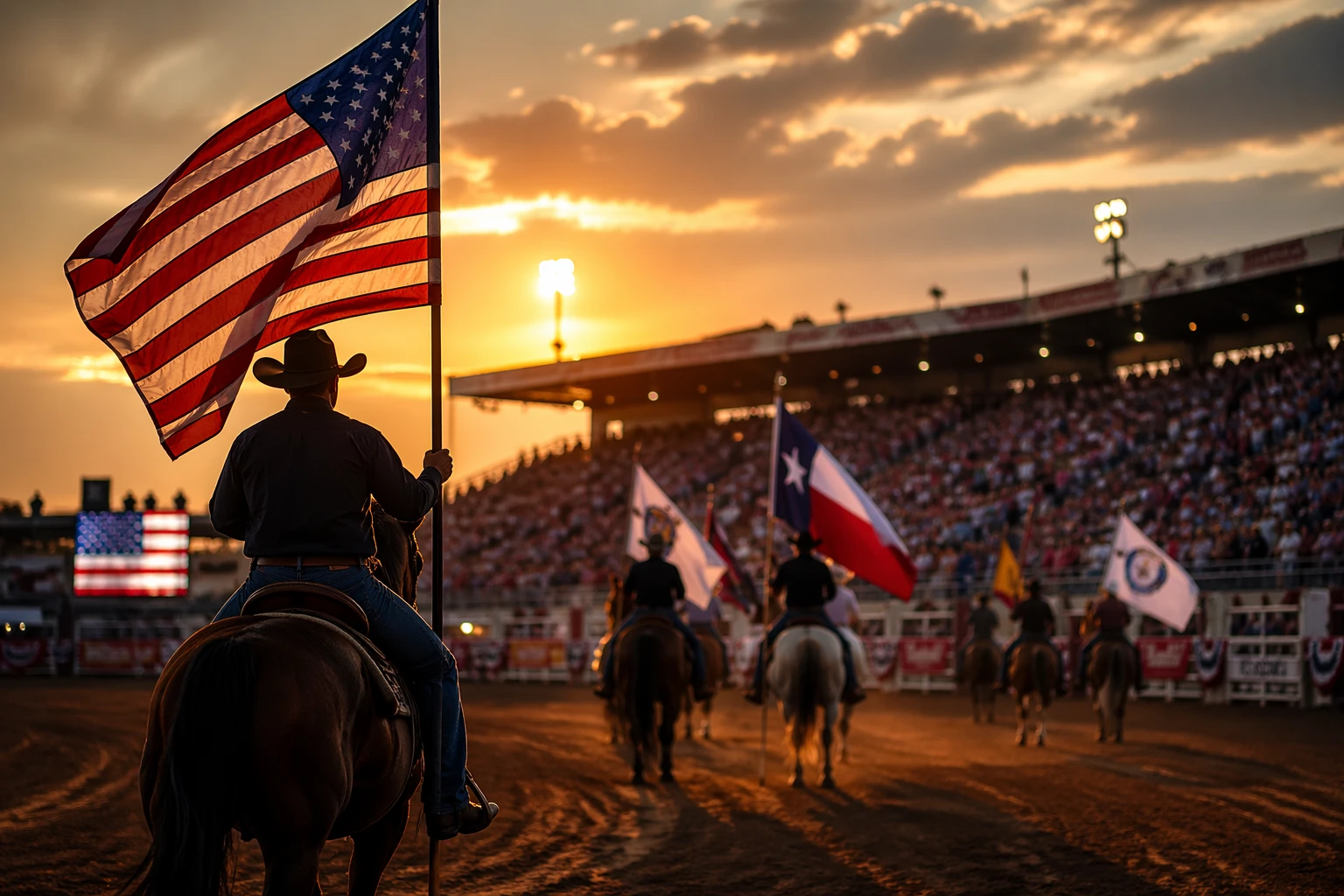
The arena quiets. The dust settles. Then the music hits and everything changes. If you’ve ever felt that rush, you’ve already experienced the deeper rodeo flag ceremony meaning, even if you couldn’t quite put it into words. It’s not filler. It’s not just a pre-show. It’s the emotional ignition point of the entire event. This moment blends precision, pride, and heritage. Horses move in sync. Flags rise with intention. The crowd stands not because they’re told to, but because something bigger is happening. And that’s exactly why understanding the rodeo flag ceremony meaning matters. It reframes the entire rodeo experience. Let’s break it down.
What Is a Rodeo Flag Ceremony?
At its core, a rodeo flag ceremony is a structured, symbolic presentation of national and sometimes regional flags during the rodeo’s grand entry. It usually unfolds right at the beginning when attention is highest and anticipation is building. Mounted riders carry flags into the arena. Music plays. The announcer sets the tone. Then comes the national anthem. Simple structure. Powerful execution. This isn’t random pageantry. It’s intentional. The ceremony introduces not just the event, but the values behind it discipline, respect, and pride rooted in Western tradition.
The History Behind Rodeo Flag Ceremonies
Origins of Rodeo Traditions
Rodeos didn’t start as performances. They started as work. Early cattle drives and ranch competitions often turned into informal contests who could rope faster, ride longer, or handle livestock better. Over time, communities gathered to watch. What began as skill-sharing evolved into organized events. As rodeos grew, so did their structure. Ceremonies emerged to unify the crowd before competition began. That’s where the flag ceremony took hold.
Connection to National Celebrations
Rodeos have long been tied to patriotic holidays especially Independence Day. Communities used these gatherings to celebrate not just ranching life, but national identity. Over time, honoring the flag became central. It wasn’t forced. It fit naturally. The rodeo flag ceremony meaning became inseparable from pride in country and community.
Why the Flag Ceremony Matters in Rodeo
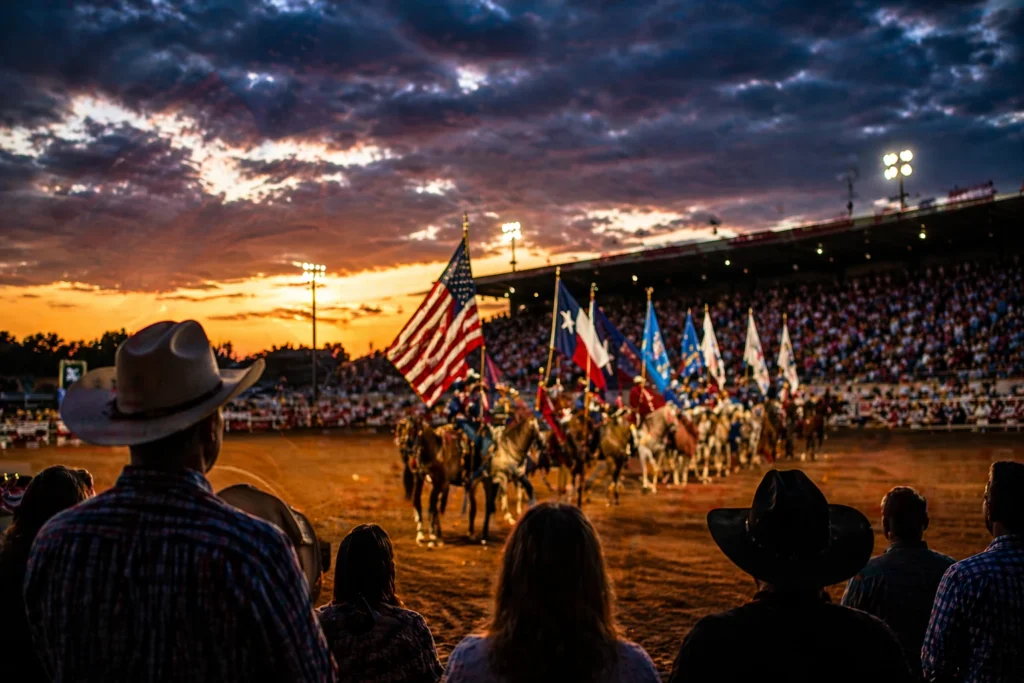
This moment sets the tone. Period.
Before the first ride. Before the first score. Before the crowd fully settles in. The ceremony creates a shared emotional baseline.
Here’s what it accomplishes:
- Aligns the crowd and participants in a unified moment
- Signals respect for tradition and heritage
- Builds anticipation in a structured, meaningful way
- Connects the event to something larger than sport
Without it, the rodeo would feel… incomplete. Technically functional, but missing its soul.
Symbolism of the Flags in Rodeo
The American Flag
The centerpiece. Always. Carried on horseback, it represents resilience, freedom, and sacrifice. But in a rodeo setting, it also reflects independence the same independence that defines cowboy culture. This is where the rodeo flag ceremony meaning becomes layered. It’s not just about the country. It’s about the spirit of self-reliance tied to it.
State and Organizational Flags
You’ll often see additional flags state flags, rodeo association flags, or sponsor banners. These add context. They ground the event in a specific place and community. They remind the audience: this rodeo belongs to this region, these people.
The Role of Color Guard Riders
These riders aren’t just participants. They’re representatives. They must control their horses precisely. Maintain formation. Handle the flag with discipline. Every movement matters. It’s controlled energy. And it’s impressive.
The Grand Entry: Where the Ceremony Comes Alive
The grand entry is where everything clicks. Riders enter in formation. Flags lead the way. Music builds intensity. The announcer introduces competitors and sets expectations. It’s a coordinated surge of motion and sound.
You’ll often see:
- Rodeo queens leading or participating
- Multiple riders circling in patterns
- Flags positioned at the center of attention
- A smooth transition into the anthem
This is also the moment many first-time attendees realize that the opening ceremony alone carries serious weight often answering questions like how long does a rodeo last, because the experience feels structured and intentional from the very first minute. This is the moment where spectators shift from observers to participants. The rodeo flag ceremony meaning becomes something you feel, not just understand.
Step-by-Step Breakdown of a Rodeo Flag Ceremony
Here’s how it typically unfolds:
- Opening Announcement
The announcer welcomes the crowd and sets the tone. - Mounted Entry
Riders enter the arena, often at a controlled pace or choreographed pattern. - Flag Presentation
The American flag takes center position, often flanked by others. - National Anthem
Music begins. The crowd stands. Hats come off. - Audience Participation
Silence, respect, and attention dominate the arena. - Closing Formation
Riders exit or transition into the next segment of the event.
Simple structure. High impact.
Proper Etiquette and Respect During the Ceremony
This isn’t optional behavior. It’s expected.
For Spectators:
- Stand during the anthem
- Remove hats
- Avoid distractions (phones, talking)
- Face the flag
For Participants:
- Maintain formation
- Handle flags carefully
- Stay composed at all times
Respect isn’t announced. It’s demonstrated.
The Role of Horses in the Flag Ceremony
Horses are not background elements. They’re central. A flag-bearing horse must stay calm despite noise, movement, and pressure. That takes training. A lot of it. The visual matters too. A steady horse carrying a moving flag creates a striking image one that reinforces control, strength, and partnership. This is where tradition meets skill.
Rodeo Queens and Their Role in the Ceremony
Rodeo queens bring a different kind of presence. They often carry flags, lead formations, or anchor the visual presentation. But their role goes beyond appearance. They represent the sport. They engage with the community. They embody the blend of tradition and modern rodeo culture. Their participation adds polish and meaning.
Patriotism and Western Identity
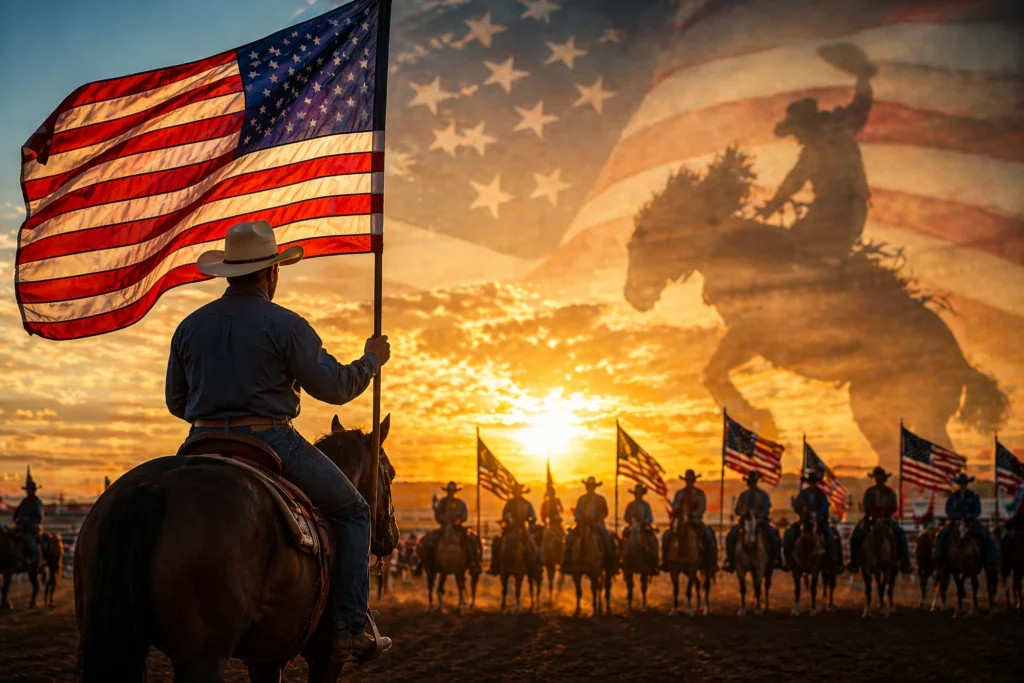
Rodeo is often described as one of the most patriotic sports. And there’s a reason for that. Cowboy culture values independence, hard work, and resilience. Those traits align closely with national ideals. The flag ceremony reflects that overlap. It’s not forced patriotism. It’s cultural alignment. And that’s why the rodeo flag ceremony meaning resonates so strongly with audiences.
Differences Between Rodeo and Traditional Flag Ceremonies
Not all flag ceremonies are created equal.
| Element | Rodeo Flag Ceremony | Traditional Ceremony |
| Setting | Open arena | Formal venue |
| Movement | Mounted, dynamic | Stationary |
| Energy | High, immersive | Reserved |
| Purpose | Blend of sport + symbolism | Purely ceremonial |
Rodeo adds motion. It adds atmosphere. It turns respect into something you can see unfold in real time.
How Rodeo Flag Ceremonies Have Evolved
Like everything else, these ceremonies have adapted.
Modern rodeos may include:
- Enhanced lighting effects
- Coordinated music tracks
- Larger rider formations
- More inclusive representation
But the core remains unchanged. Respect the flag. Honor tradition. Set the tone. That’s the foundation
of the rodeo flag ceremony meaning, and it hasn’t shifted.
Common Misconceptions About Rodeo Flag Ceremonies
Let’s clear a few things up.
“It’s just for show.”
Not even close. It carries cultural and emotional weight.
“It’s only about patriotism.”
It’s also about community, heritage, and identity.
“All ceremonies are the same.”
They vary by region, scale, and style.
Understanding these nuances deepens your appreciation.
Why First-Time Spectators Should Pay Attention
If it’s your first rodeo, don’t skip this moment mentally. Watch the formation. Notice the discipline. Feel the shift in energy. This is your introduction not just to the event, but to the values behind it. Once you understand the rodeo flag ceremony meaning, everything that follows feels more connected.
The Deeper Meaning Behind the Tradition
Here’s the truth. The rodeo flag ceremony isn’t about slowing things down. It’s about grounding the event before it accelerates. It connects past to present. It honors those who came before. It reminds everyone riders, staff, spectators that this isn’t just entertainment. It’s legacy. It’s unity. It’s respect in motion. There’s also an element of structured symbolism at play almost like a live-action expression of semiotics where every movement, formation, and gesture communicates meaning without needing explanation. And once you see it that way, you’ll never watch a rodeo the same again.
FAQs
What is the rodeo flag ceremony meaning?
The rodeo flag ceremony meaning centers on honoring tradition, patriotism, and unity before the competition begins.
When does the rodeo flag ceremony take place?
It usually happens during the grand entry at the very start of the rodeo event.
Why do riders carry flags on horseback?
Mounted flag bearers symbolize strength, control, and respect while showcasing Western heritage.
Is the rodeo flag ceremony required at all rodeos?
Not all rodeos include it, but most professional and large-scale events consider it essential.
What should spectators do during the ceremony?
Spectators are expected to stand, remove hats, and show respect during the national anthem.
Who participates in the rodeo flag ceremony?
Participants typically include riders, rodeo queens, announcers, and sometimes a designated color guard.
Why is the American flag central to the ceremony?
It represents national pride, sacrifice, and the values closely tied to cowboy culture.
How long does a rodeo flag ceremony last?
Most ceremonies last just a few minutes but leave a lasting emotional impact.
Does the ceremony differ between rodeos?
Yes, variations depend on location, size, and production style, though the core elements remain consistent.
Why is the rodeo flag ceremony important to first-time attendees?
It introduces the values and tone of the rodeo, helping new spectators understand the deeper experience.