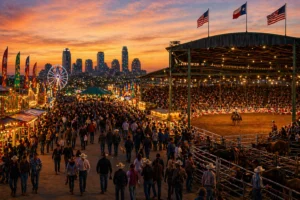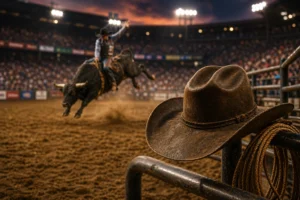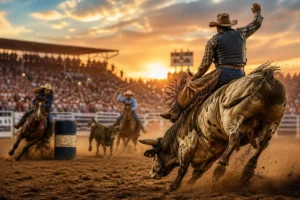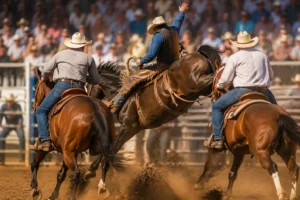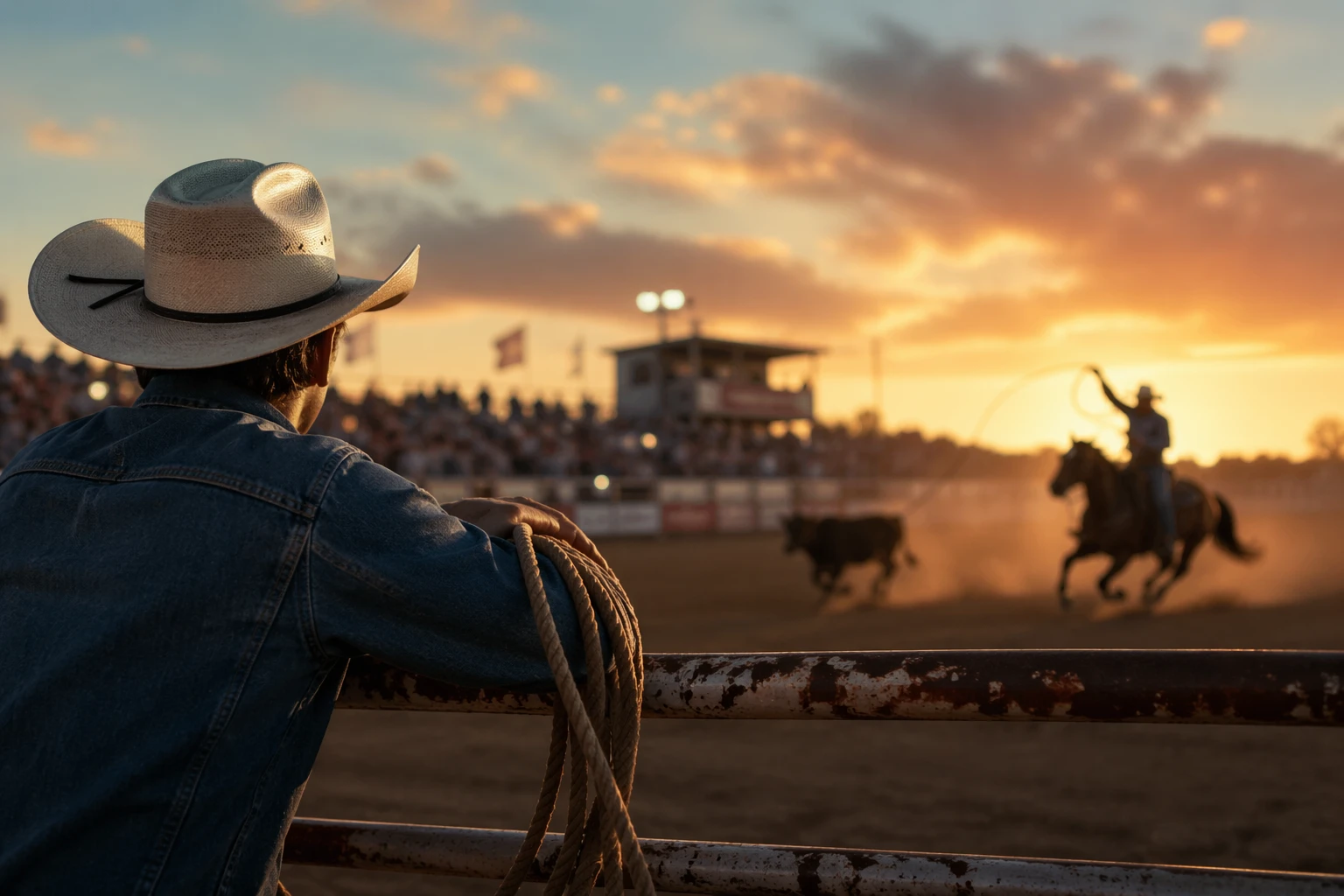
There’s something magnetic about rodeo. The dust. The speed. The split-second decisions that separate a clean run from a missed shot. If you’ve ever watched an event and thought, I want to do that, you’re not alone. The good news? Learning how to get into rodeo is more accessible than most people think if you approach it the right way. This isn’t a sport you casually stumble into. It demands respect. It rewards discipline. And it builds people who are tough, focused, and deeply connected to what they do. In this guide, I’ll walk you through exactly how to get into rodeo, step by step, with real-world advice you can actually use.
Understanding the World of Rodeo
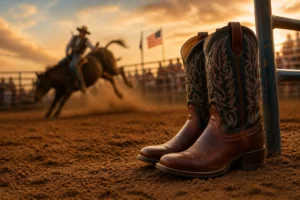
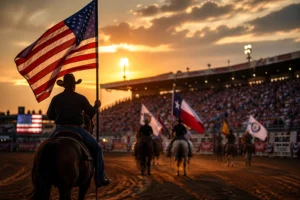
At its core, Rodeo is rooted in ranch work. Everything you see in the arena roping, riding, wrestling comes from practical skills that working cowboys relied on daily. Over time, those skills turned into competition. Today, rodeo exists across multiple levels from small-town events to professional circuits. Rodeo is not just a sport. It’s a culture built on discipline, resilience, and respect.
You’ll notice:
- Strong community ties
- Multi-generational involvement
- A deep respect for animals and tradition
Interestingly, physical performance in rodeo closely relates to concepts studied in Kinesiology, especially when it comes to balance, coordination, and force control under pressure. If you want to truly understand how to get into rodeo, you need to embrace both the sport and the lifestyle that comes with it.
Choosing Your Rodeo Event
One of the first real decisions you’ll make is choosing your event. This isn’t something to rush.
Each rodeo discipline demands a different skill set, mindset, and level of risk.
Popular Rodeo Events
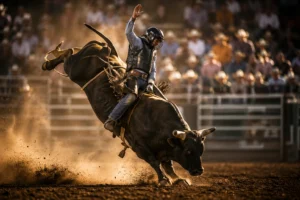
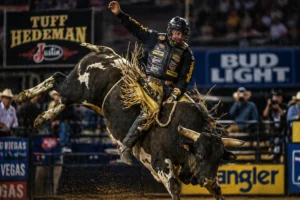
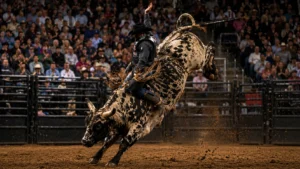
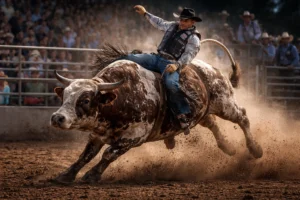
- Bull Riding – Intense, explosive, and physically demanding
- Barrel Racing – Speed, agility, and tight control
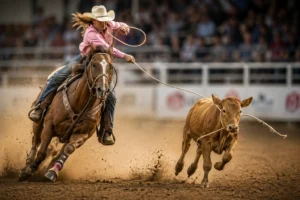
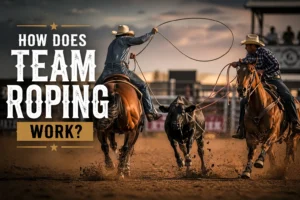
- Team Roping – Precision and teamwork
- Steer Wrestling – Strength, timing, and technique
- Saddle Bronc Riding – Rhythm, balance, and control
How to Choose the Right Event
Consider:
- Your physical strengths
- Access to equipment or animals
- Your comfort level with risk
- Long-term goals
If you’re new, barrel racing or roping events are often more approachable. Bull riding can wait until you’ve built solid fundamentals and worked with experienced trainers.
Choosing wisely early on will make your journey into how to get into rodeo smoother and safer.
Learn the Basics: Skills You Need First
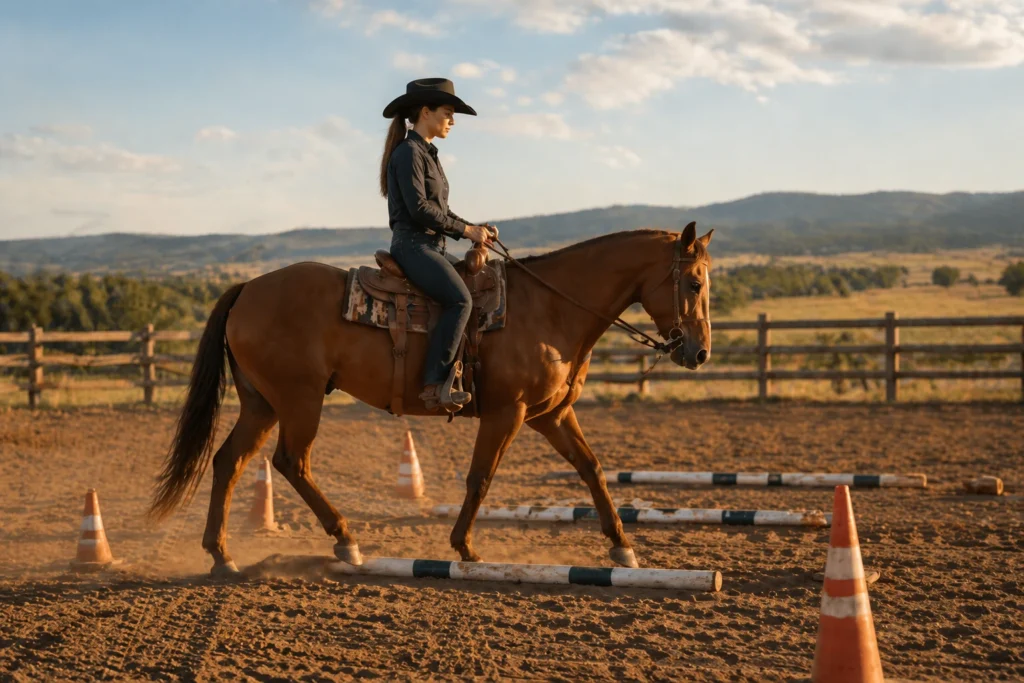
Before competition, before gear upgrades, before anything else you need fundamentals.
Core Skills
- Balance and body control
- Hand-eye coordination
- Strength and endurance
- Awareness and reaction speed
If your chosen event involves a horse, horseback riding becomes your foundation. There’s no way around it.
Beginner Action Plan
- Take structured riding lessons
- Practice posture and control
- Learn horse behavior and cues
- Build confidence at different speeds
Rodeo is fast. Decisions happen instantly. When your fundamentals are strong, your reactions become automatic, and that’s what keeps you safe.
Find a Mentor or Rodeo School
Trying to learn everything on your own? That’s a slow path and often a risky one.
Rodeo is best learned through hands-on experience and guidance.
Where to Learn
- Local ranches
- Rodeo clinics
- Training camps
- Dedicated rodeo schools
Why Mentorship Matters
A mentor will:
- Spot mistakes you don’t notice
- Teach efficient techniques
- Help prevent injuries
- Introduce you to opportunities
If you’re serious about mastering how to get into rodeo, this is one of the smartest investments you can make.
Get the Right Gear
Gear is not just about appearance it’s about protection, performance, and confidence.
Essential Rodeo Gear
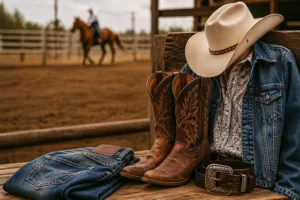
| Item | Purpose |
| Cowboy boots | Grip and ankle support |
| Helmet or hat | Head protection |
| Jeans | Durability and flexibility |
| Protective vest | Absorbs impact |
| Gloves | Better grip and control |
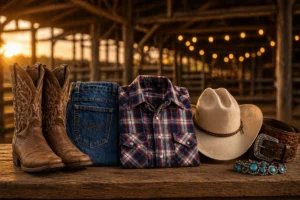
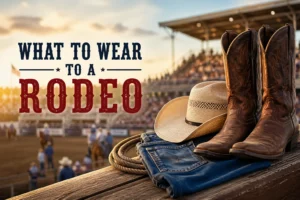
If you’re wondering what to wear to a rodeo, especially as a beginner participant, focus on functionality first well-fitted boots, durable jeans, and protective gear will always matter more than style.
Event-Specific Gear
- Saddles (for riding events)
- Ropes (for roping events)
- Spurs and chaps (advanced use)
Pro Tip
Buy quality where it counts especially boots and protective gear. Poor equipment can slow your progress or even cause injury.
Practice with Purpose
Practice is where transformation happens.
But here’s the difference: casual practice builds familiarity, while focused practice builds skill.
Best Practice Environments
- Rodeo arenas
- Ranch training areas
- Open riding spaces
How to Practice Effectively
- Start with a warm-up
- Break skills into smaller parts
- Focus on one improvement per session
- Track your progress
Weekly Practice Example
- Day 1: Riding fundamentals
- Day 2: Event-specific drills
- Day 3: Rest or recovery
- Day 4: Skill repetition
- Day 5: Simulated runs
Consistency wins. Always.
If you’re serious about learning how to get into rodeo, your discipline in practice will set you apart.
Start Competing at the Local Level
There comes a point when practice isn’t enough. You need real experience.
That means competition.
Where to Begin
- Local rodeos
- Amateur circuits
- Youth events
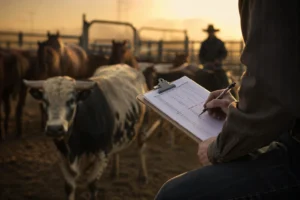
What Happens at Your First Rodeo
- Registration and check-in
- Equipment inspection
- Event participation
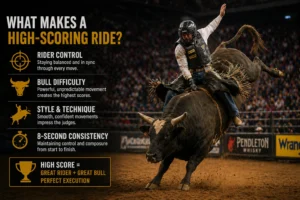
- Scoring and feedback
Mindset for Beginners
- Focus on learning
- Don’t chase results yet
- Observe experienced competitors
- Stay calm under pressure
Your first competition won’t define you. But it will teach you more than weeks of practice.
Join Rodeo Associations
If you want to grow, you need structure and access.
Organizations like the Professional Rodeo Cowboys Association and the National High School Rodeo Association provide clear pathways for progression.
Benefits of Joining
- Access to official competitions
- Rankings and recognition
- Training opportunities
- Networking connections
Membership also gives you credibility and opens doors that are otherwise hard to access.
Build Your Rodeo Network
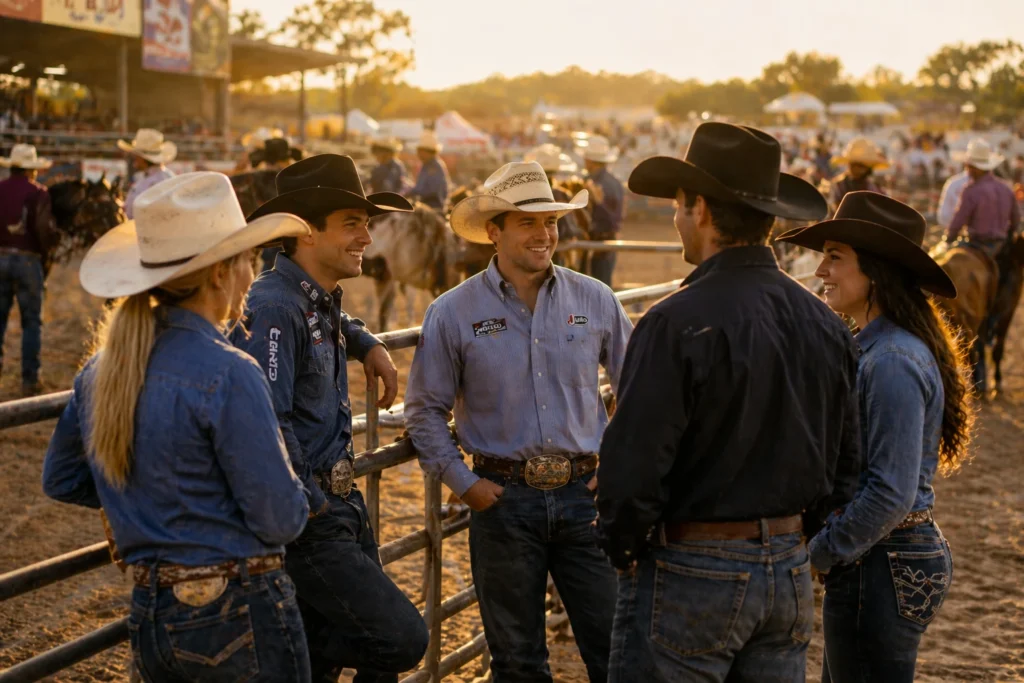
Rodeo is built on relationships.
You’ll meet riders, trainers, organizers, and supporters who all play a role in your journey.
Ways to Build Connections
- Talk to people at events
- Join local rodeo groups
- Attend clinics and workshops
- Stay active online
Why It Matters
A strong network can:
- Help you find mentors
- Provide opportunities
- Keep you motivated
When people talk about how to get into rodeo, they often focus on skills but connections matter just as much.
Stay Safe and Avoid Common Mistakes
Rodeo is rewarding but it’s also demanding.
Common Mistakes
- Skipping fundamentals
- Rushing into advanced events
- Using poor-quality gear
- Ignoring fatigue
Safety Tips
- Always warm up
- Wear protective equipment
- Know your limits
- Listen to experienced riders
Progress should be steady, not rushed.
Develop a Long-Term Rodeo Plan
You don’t need to have everything figured out but you do need direction.
Set Your Goals
- Casual participation
- Competitive growth
- Professional aspirations
Plan Your Progression
- Improve skills gradually
- Upgrade equipment over time
- Expand your competition range
Budgeting Matters
Rodeo expenses include:
- Entry fees
- Travel costs
- Gear maintenance
- Training sessions
Planning ahead helps you stay consistent and avoid burnout.
The Lifestyle: What to Expect
Rodeo isn’t easy. It requires commitment.
You’ll wake up early. Travel often. Train hard. Lose sometimes.
But the rewards are real.
What You Gain
- Mental toughness
- Physical strength
- Confidence under pressure
- A strong sense of community
Rodeo shapes people. It builds resilience and character in ways few activities can.
Once you fully understand how to get into rodeo, you realize it’s not just about competing it’s about becoming part of something meaningful.
Conclusion
Getting started in rodeo may feel overwhelming at first. That’s normal.
There’s a lot to learn. A lot to practice. A lot to experience.
But here’s what matters most:
Anyone willing to commit can learn how to get into rodeo.
Start with the basics. Find the right people. Stay consistent. Keep improving.
One step at a time.
That’s how it begins. And if you stick with it that’s how it becomes part of who you are.
FAQs
What is the first step in learning how to get into rodeo?
Start by choosing a rodeo event that fits your interests and begin learning basic skills, especially horseback riding if required.
Do I need a horse to get into rodeo?
Not always events like bull riding don’t require one, but most rodeo disciplines involve working with a horse.
How much does it cost to get started in rodeo?
Costs vary, but expect expenses for gear, training, entry fees, and possibly a horse, which can add up quickly.
Is rodeo dangerous for beginners?
Yes, rodeo carries risks, but proper training, safety gear, and gradual progression significantly reduce the danger.
Can adults start rodeo later in life?
Absolutely many people begin learning how to get into rodeo as adults with the right training and mindset.
Do I need professional training to compete?
While not required, working with a mentor or attending a rodeo school greatly improves your skills and safety.
How long does it take to compete in your first rodeo?
With consistent practice, beginners can often enter local competitions within a few months to a year.
What is the easiest rodeo event for beginners?
Barrel racing and some roping events are generally considered more beginner-friendly compared to roughstock events.
How do I find local rodeo events near me?
Check local rodeo associations, community boards, or social media groups dedicated to rodeo in your area.
Can you make a career out of rodeo?
RodeoYes, but it requires years of dedication, consistent performance, and involvement in professional organizations.